
A swatch can look right on its own and still be wrong for a sofa and two chairs that will sit together. Before approving a multi-piece order, use the sample to confirm what should match, what can vary and how the material will look in the room.
Start with the sample code, not the colour name
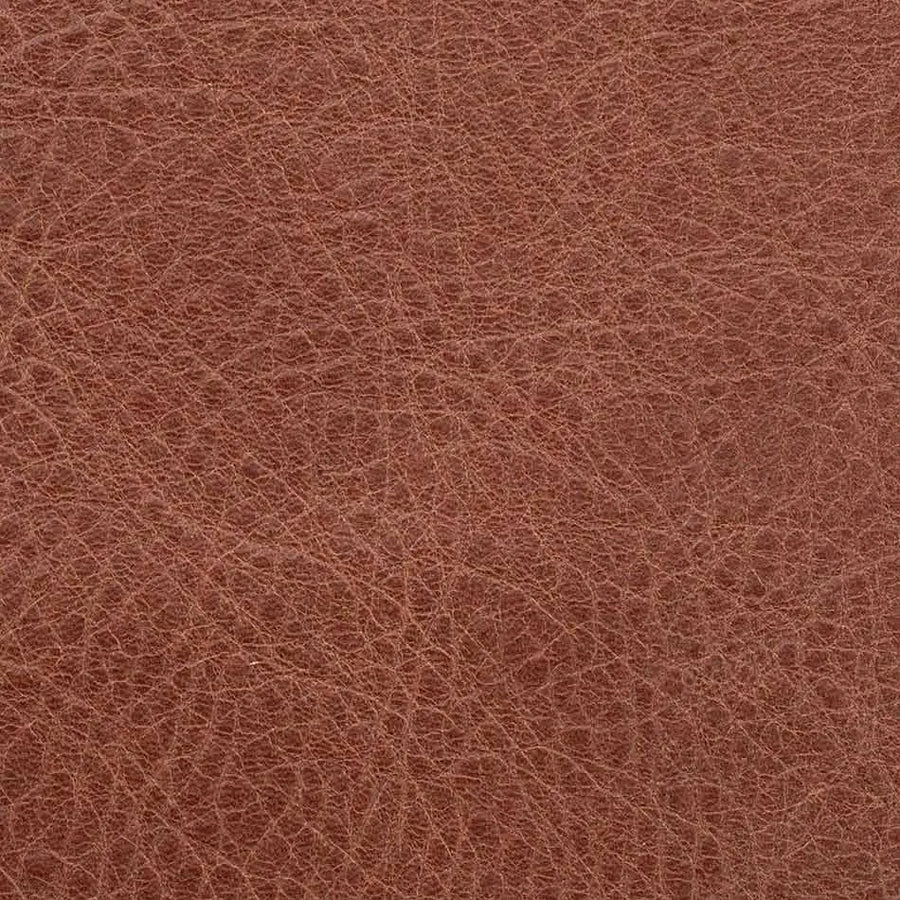
Save the supplier’s collection name, swatch code and material description. Two colours sold as chestnut may have different undertones, and a finish name is not a material specification. If a quote includes both genuine leather and a leather-look alternative, label the two physical samples separately. Confirm which one the quote covers before approving it.

Look at it where the furniture will go
Hold the swatch upright where the sofa back will be, then lay it flat where the seat will sit. Do both in daylight and under the lamps you use at night. Compare the sample beside the actual flooring, curtains or trim. A close-up picture can help record which swatch you approved, but don’t use a phone photo as the only colour standard.
Decide which pieces need to look consistent
For matching chairs or adjacent sofa modules, ask whether the fabric can be cut from one dye lot, or whether leather hides can be selected for similar tone. A matching batch does not eliminate every difference. If the finish is intended to show variation, ask to see a representative range or a larger sample rather than assuming every panel will match the smallest chip. On a brushed fabric or one with visible pile, confirm the direction on neighbouring panels.
Record the decision by piece
Write down the exact material code, colour, item and quantity before production. Note any contrasts, such as a different cushion fabric or a specific piping colour. Keep the labelled physical swatch and ask for an updated quote if you change materials. You can browse our vintage leather examples or ask about physical samples for the finishes you’re comparing.