
Table of contents
- Why a deep blue sofa stops people in their tracks
- Why choose a deep blue modular sofa?
- Understanding textured chenille velvet
- How to style a deep blue sofa
- How to configure a modular sectional
- Is it right for your home?
- How to care for textured blue upholstery
- What to consider before buying
- Frequently asked questions
1.Why a deep blue sofa stops people in their tracks
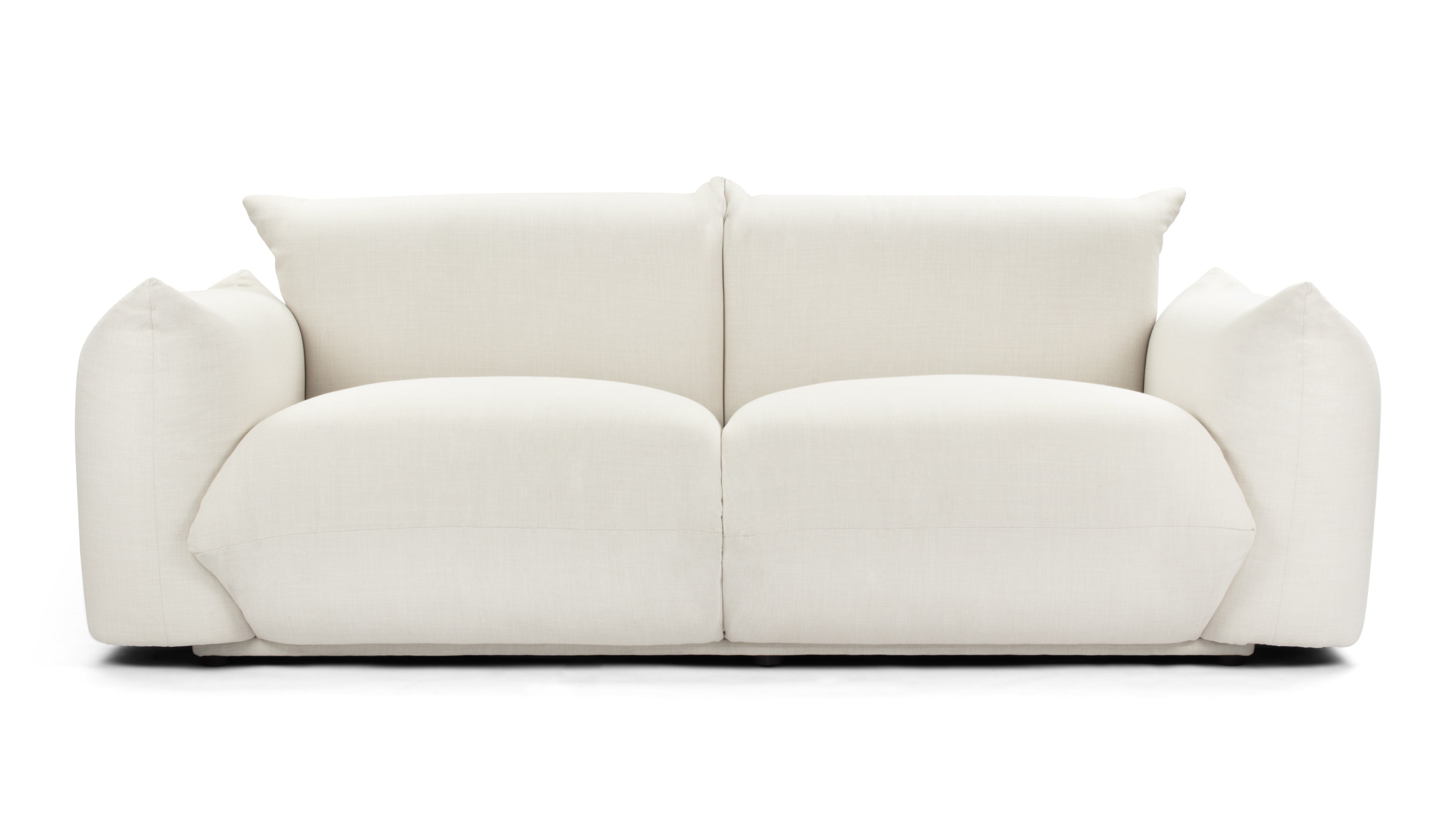
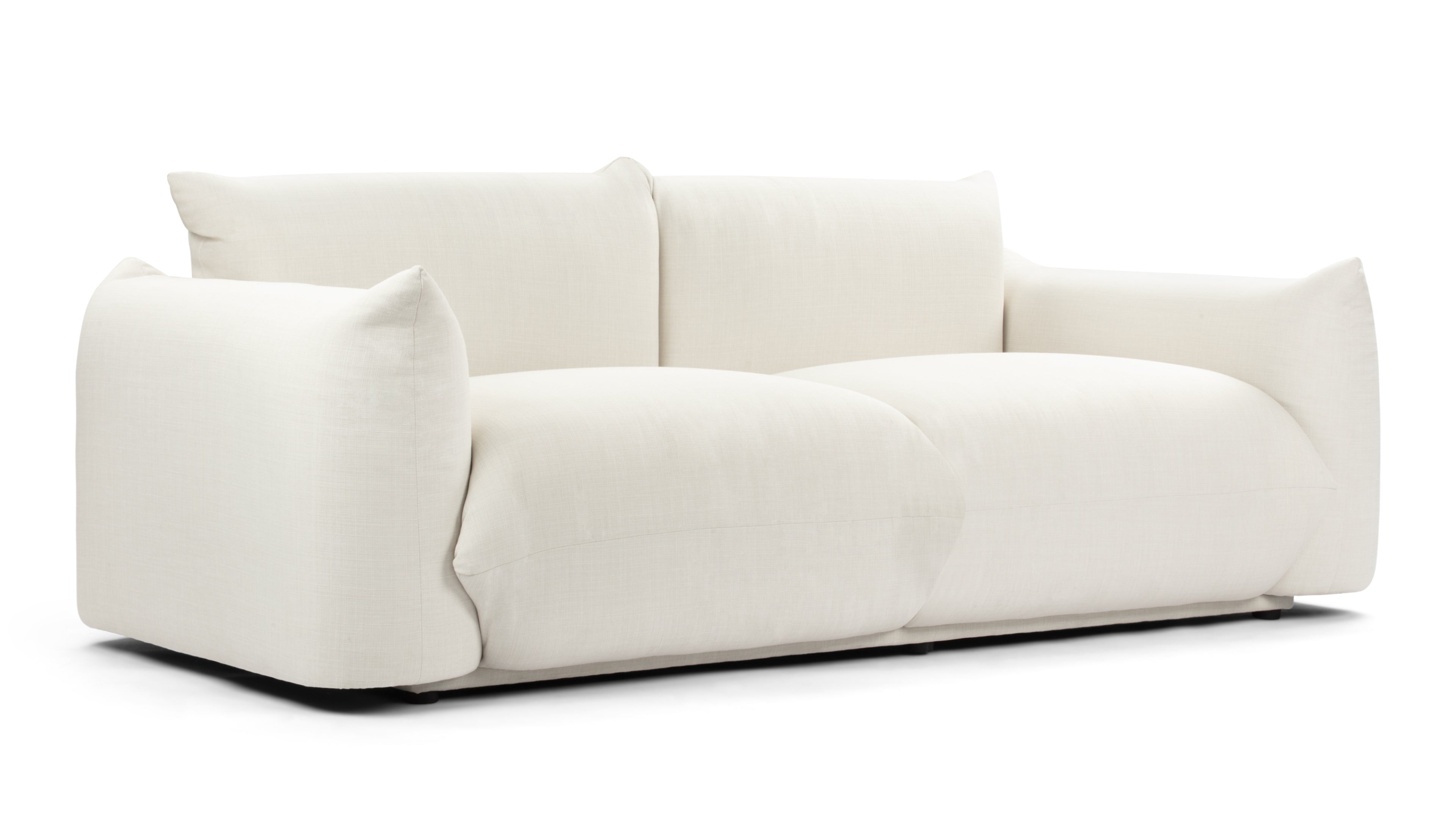
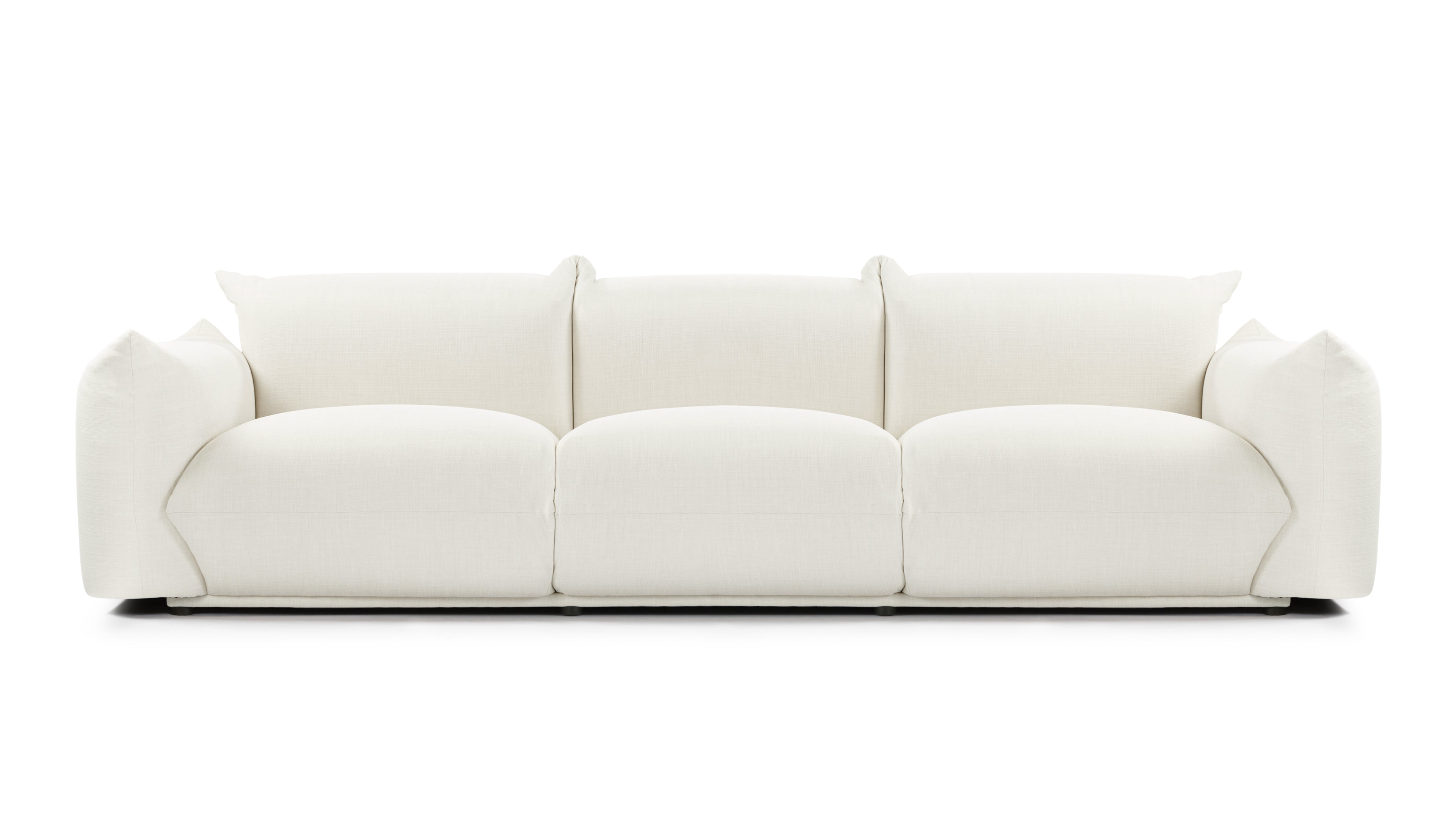
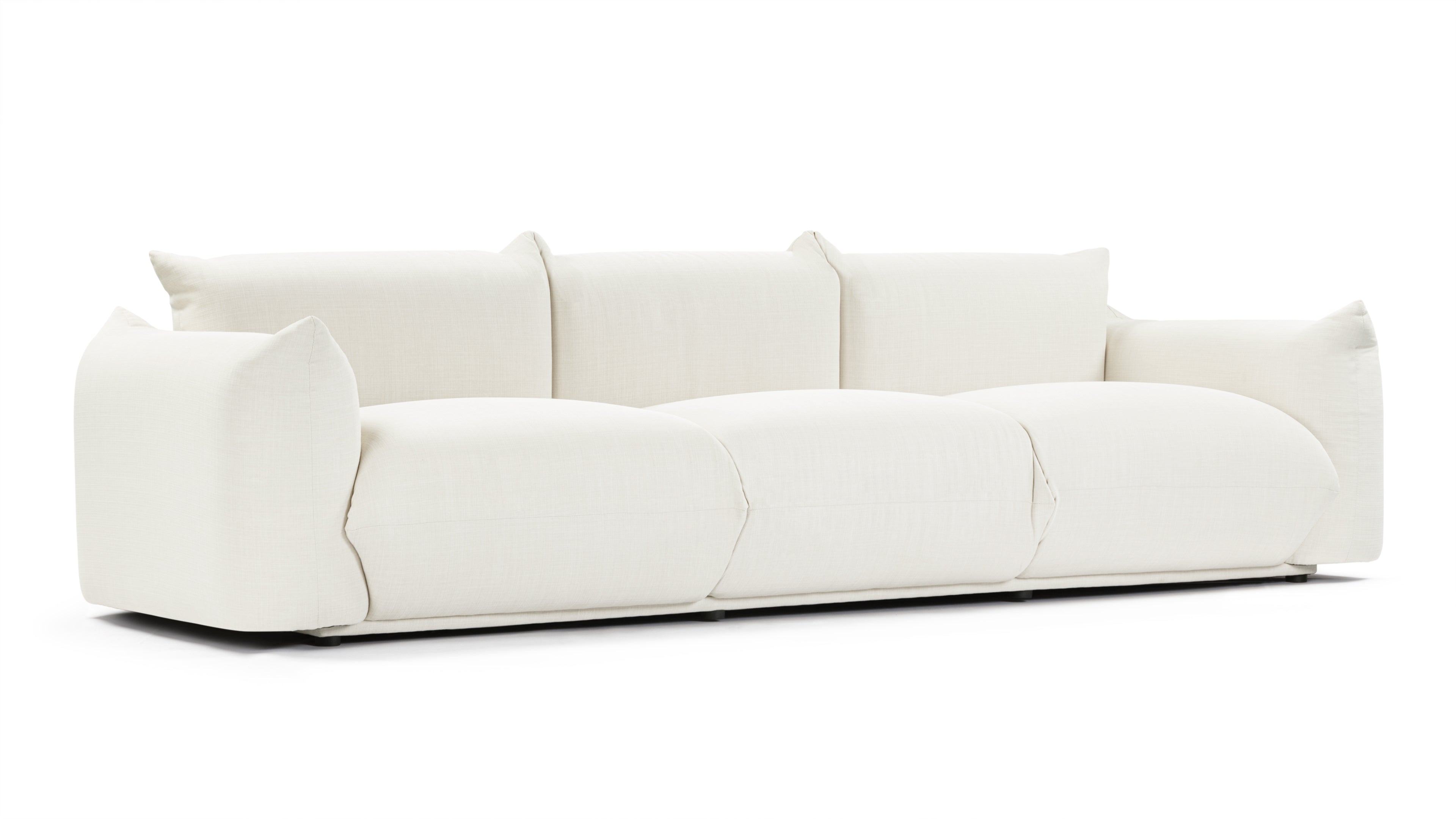
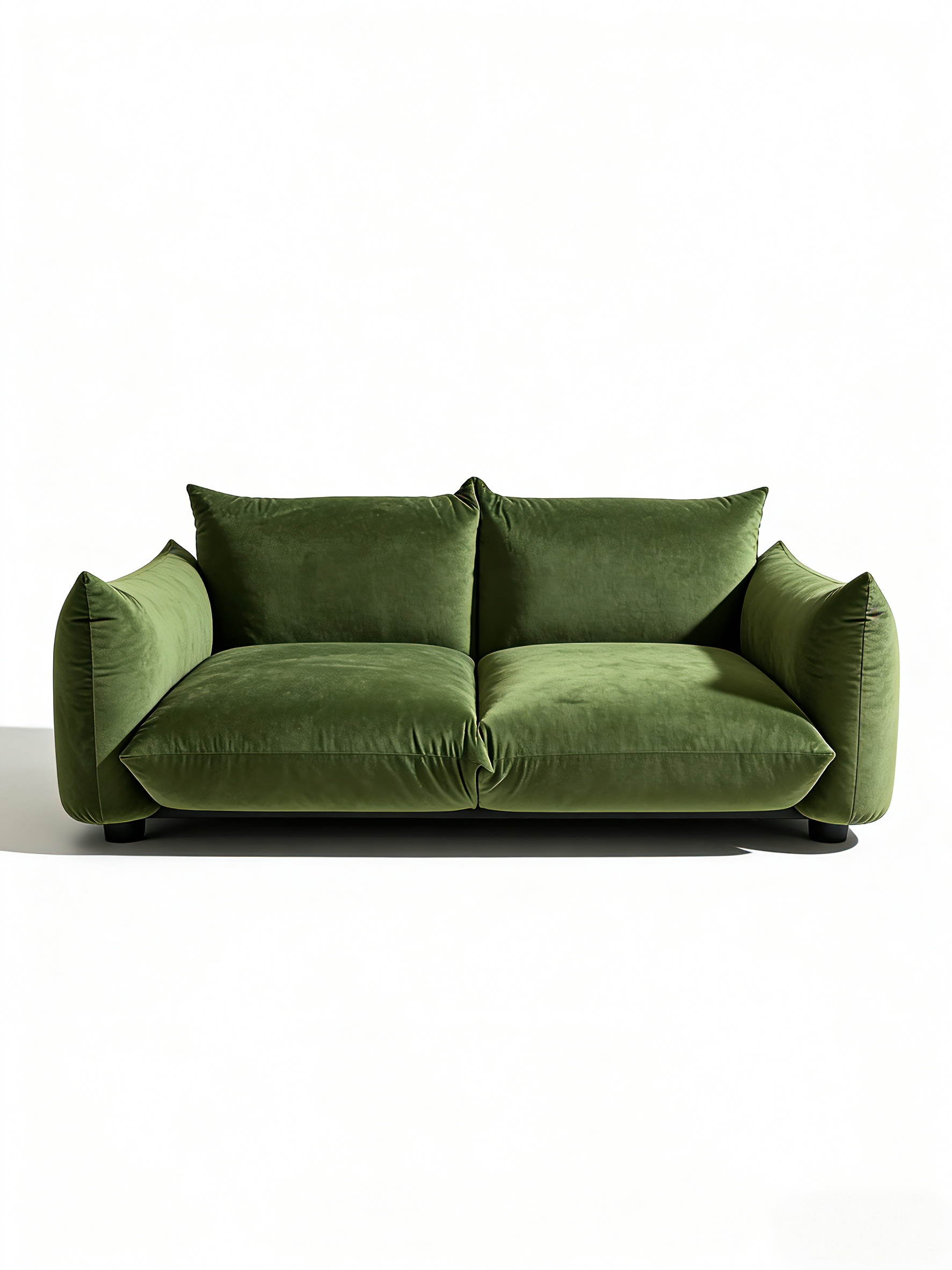
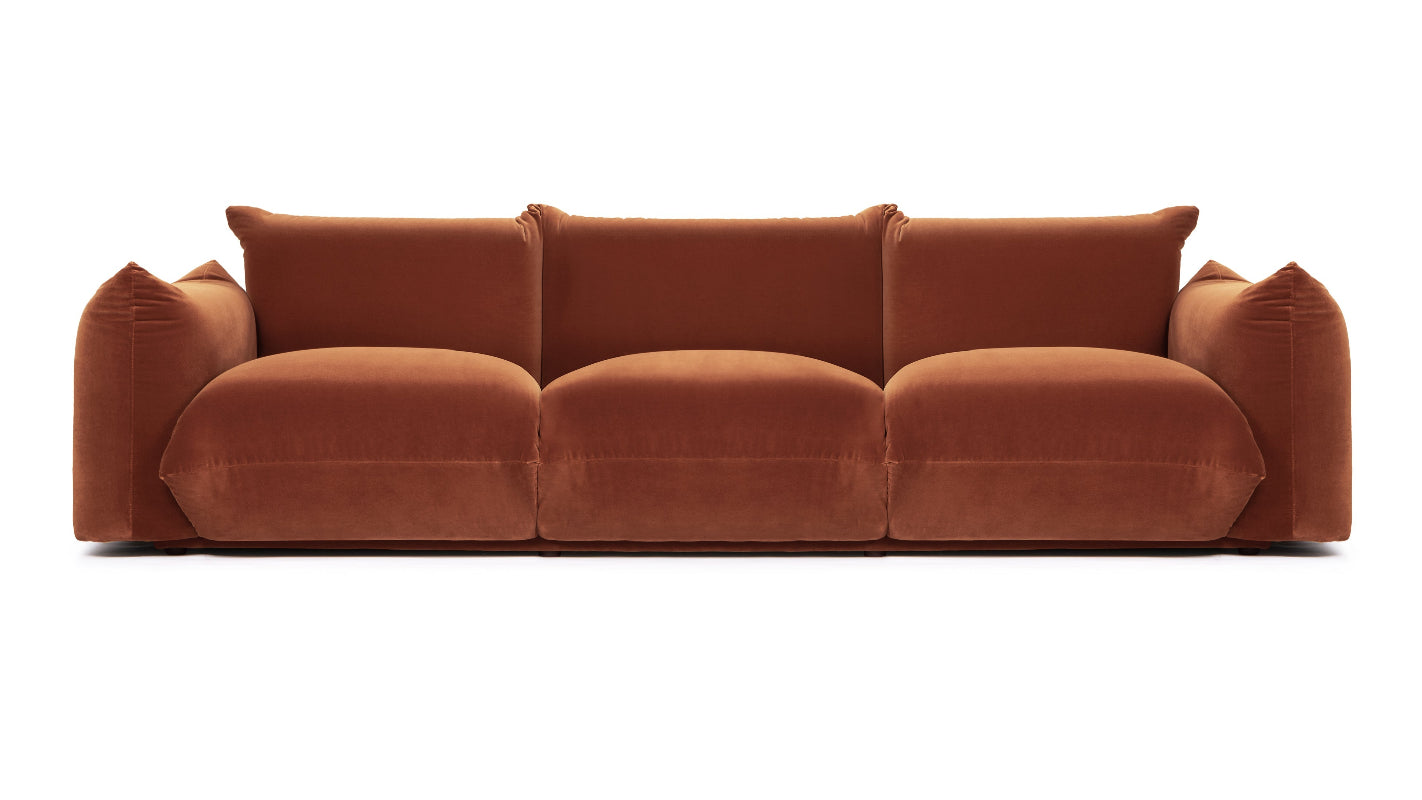
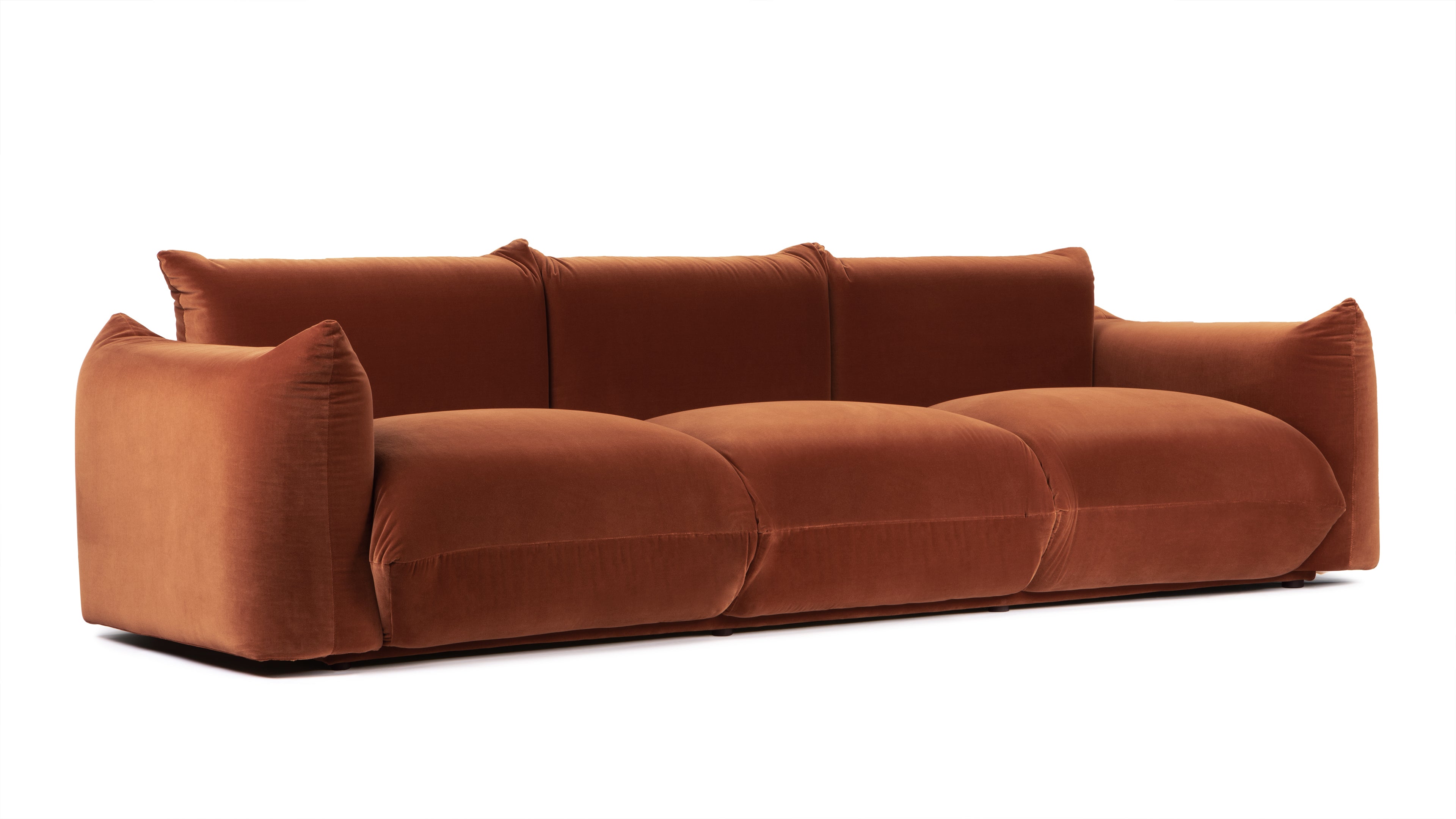
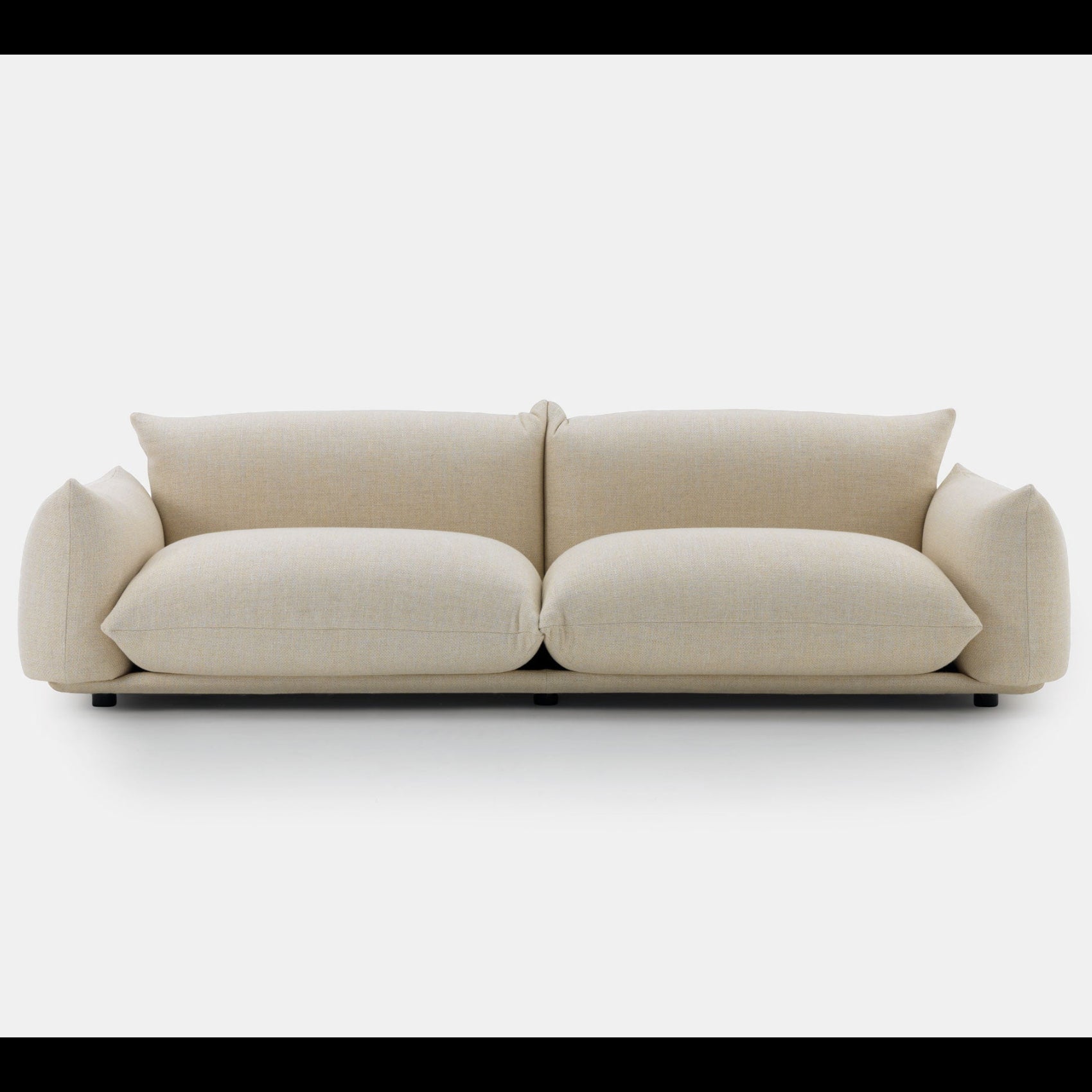
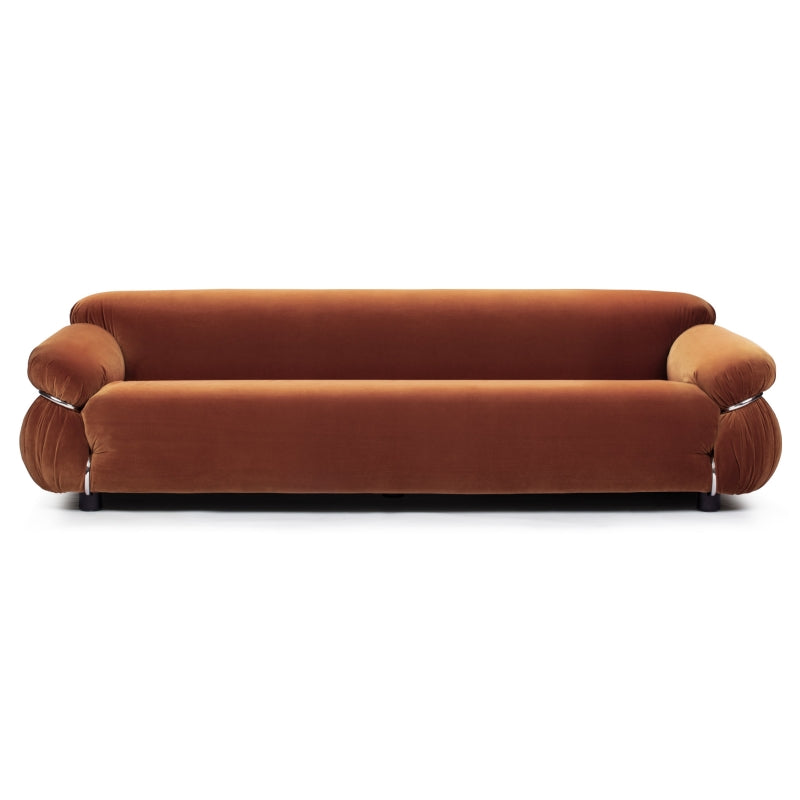
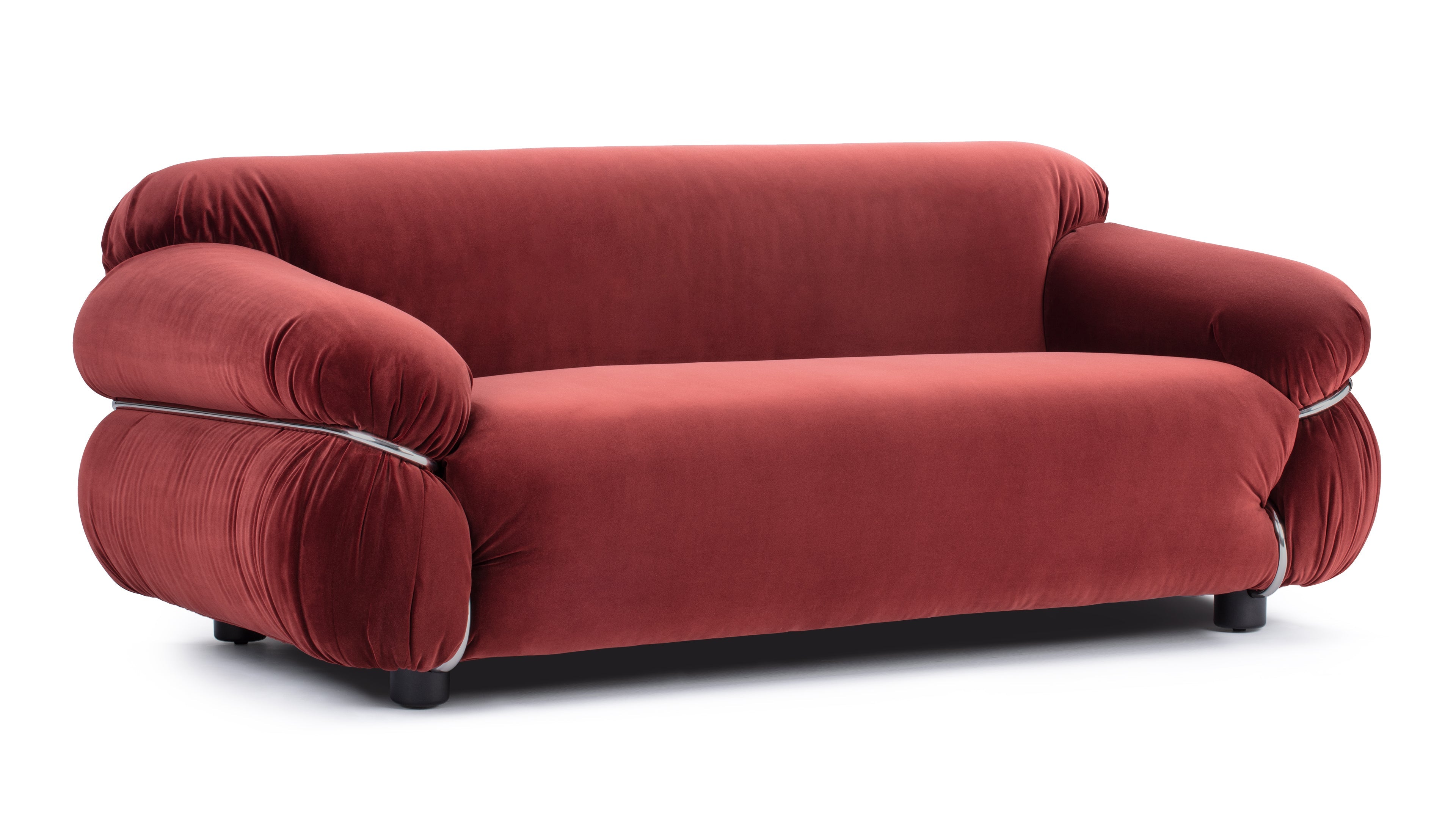
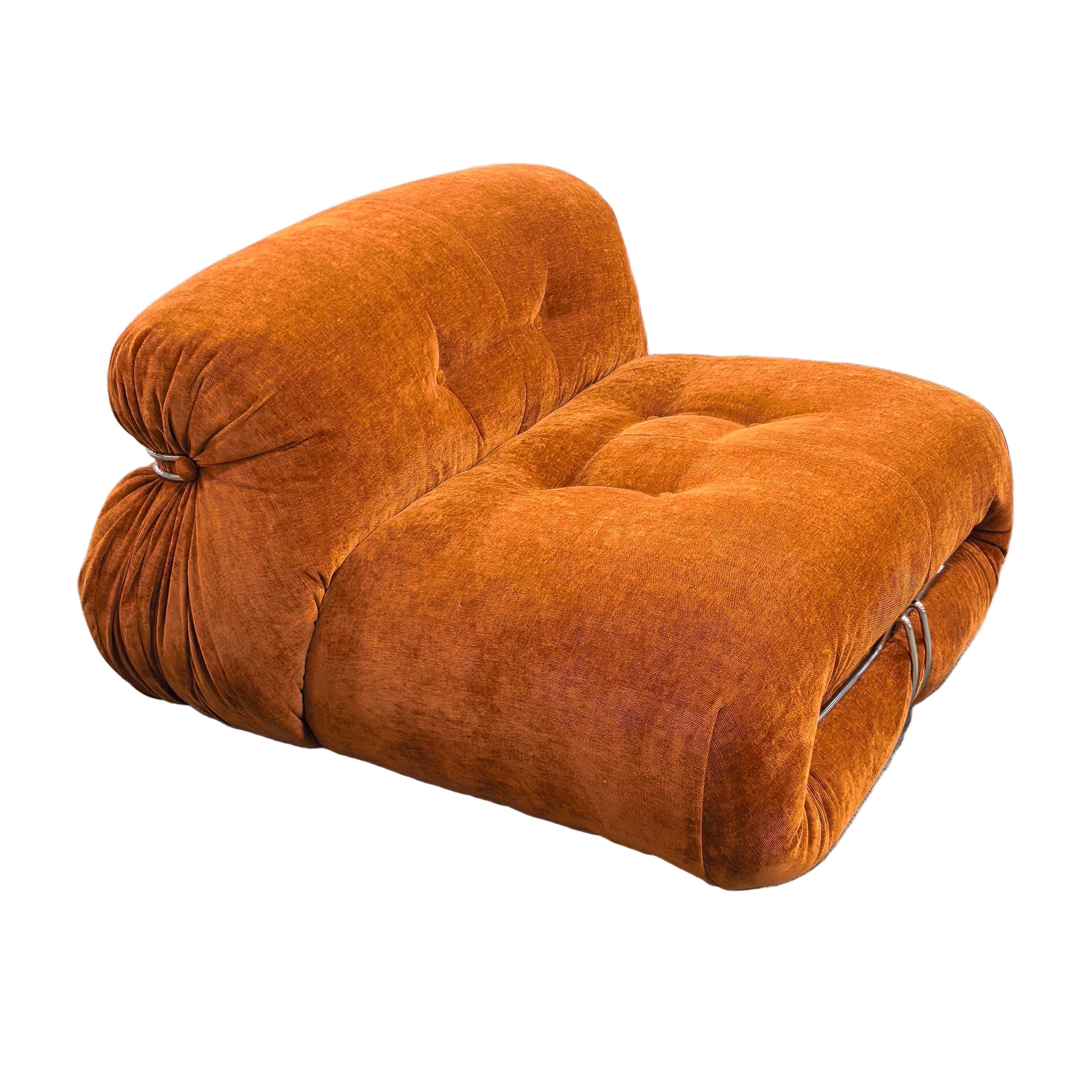
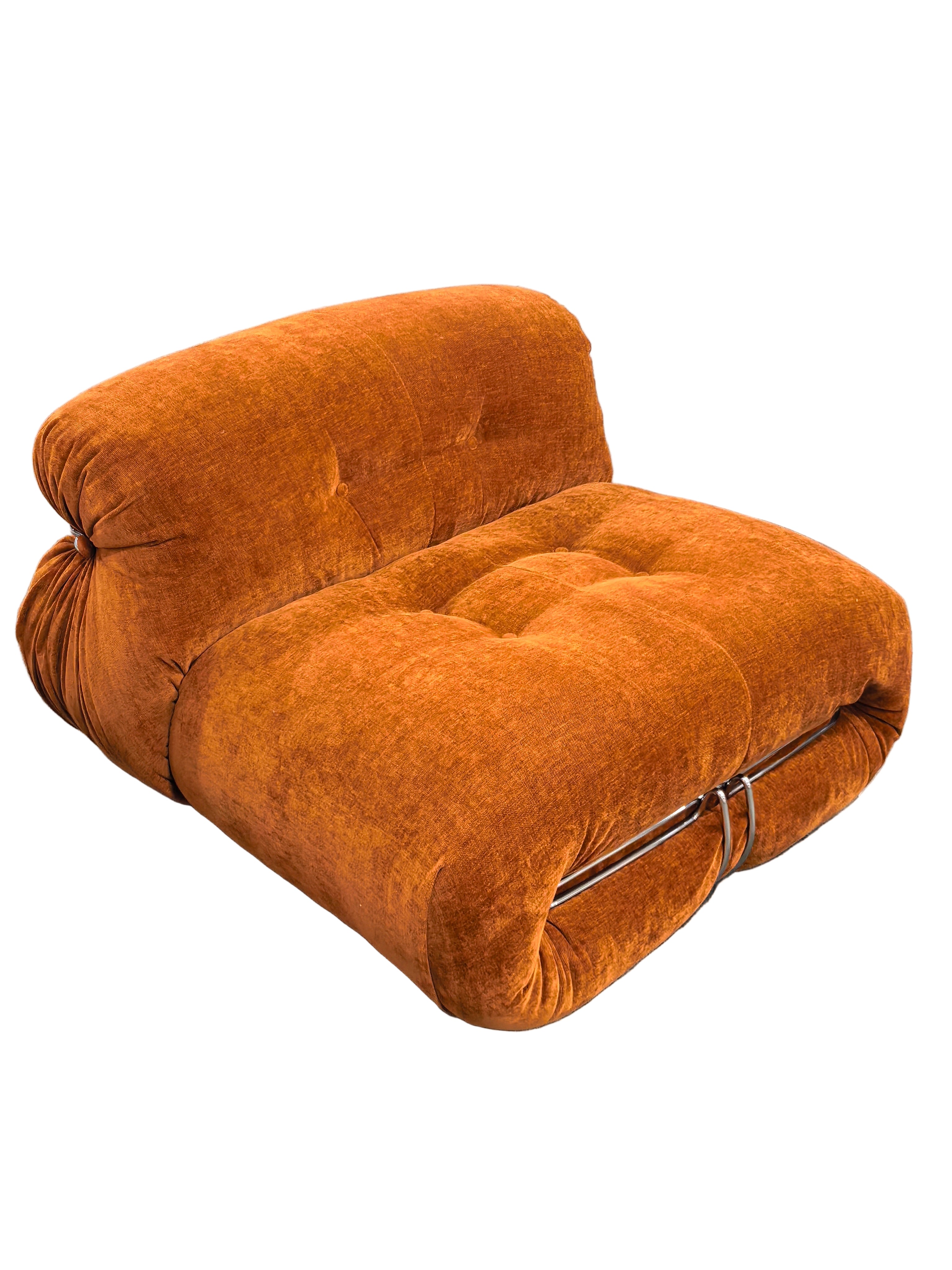
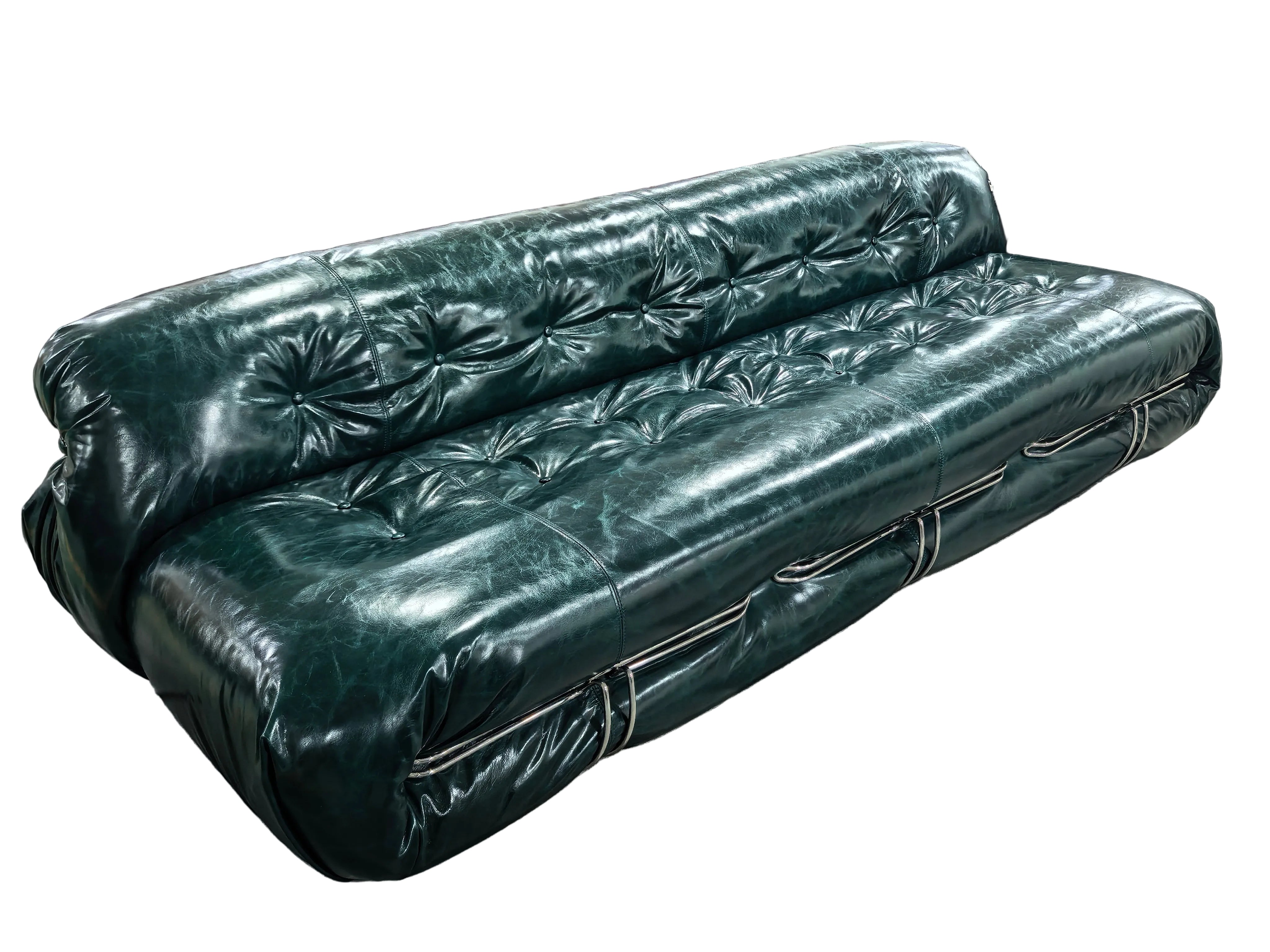
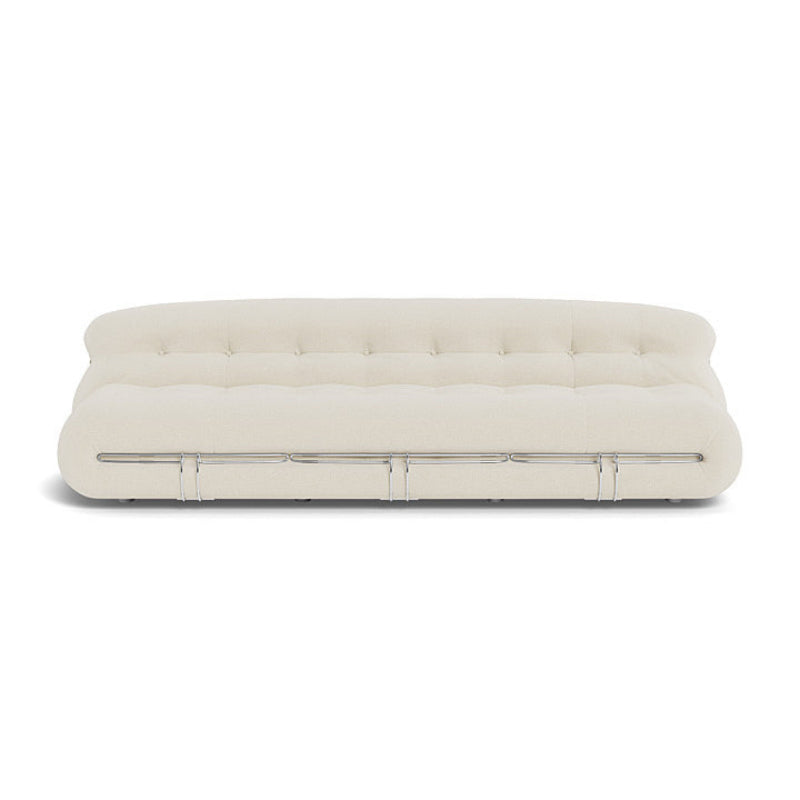
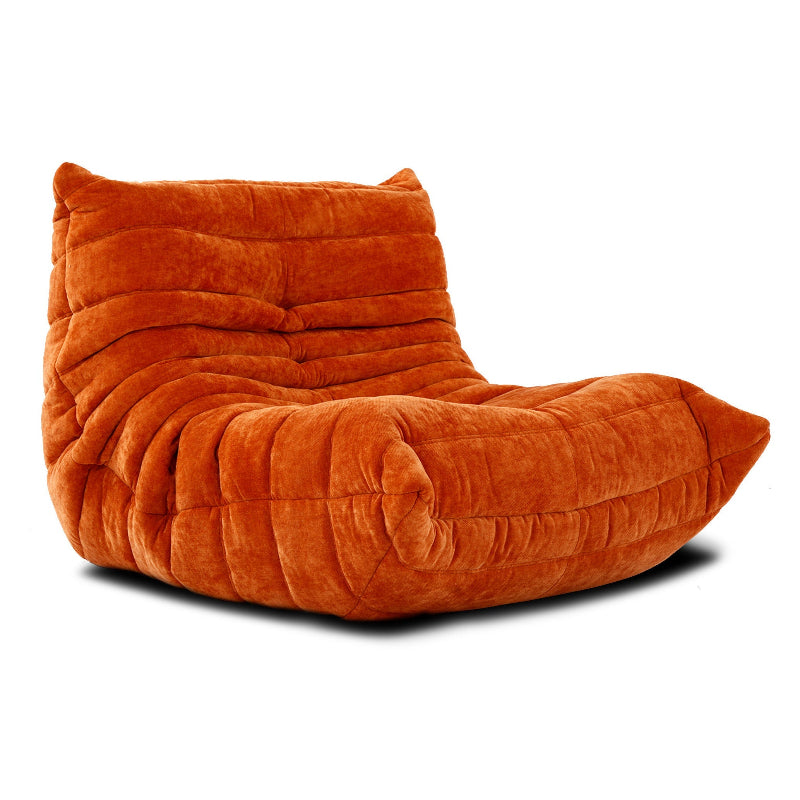
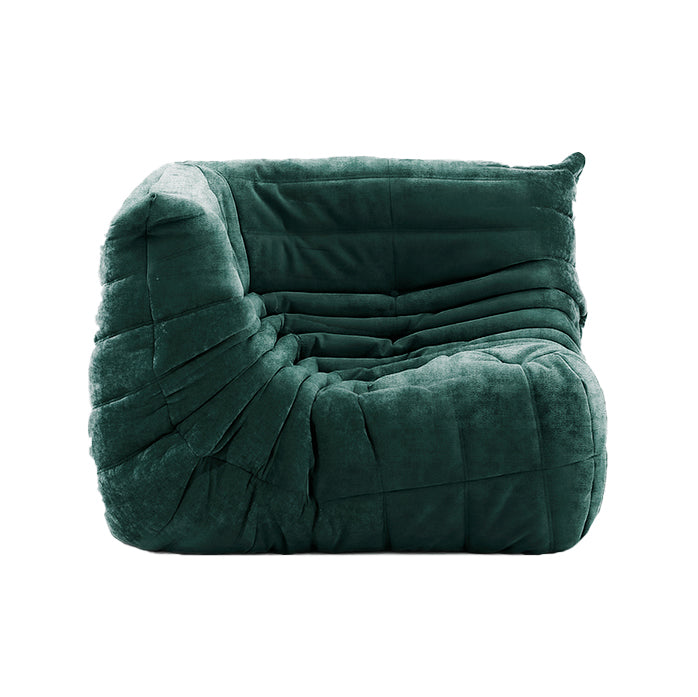
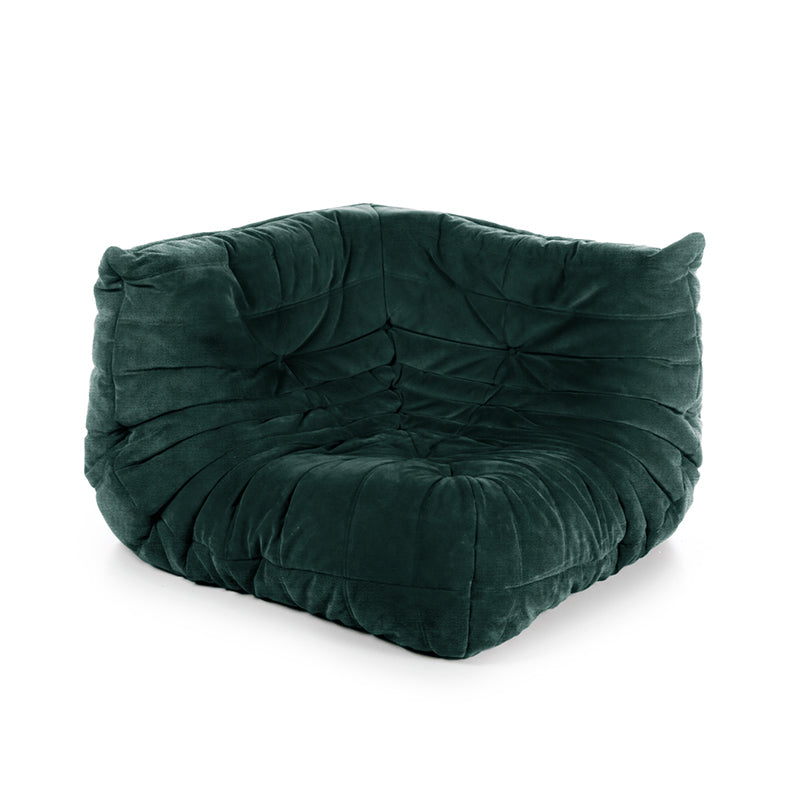
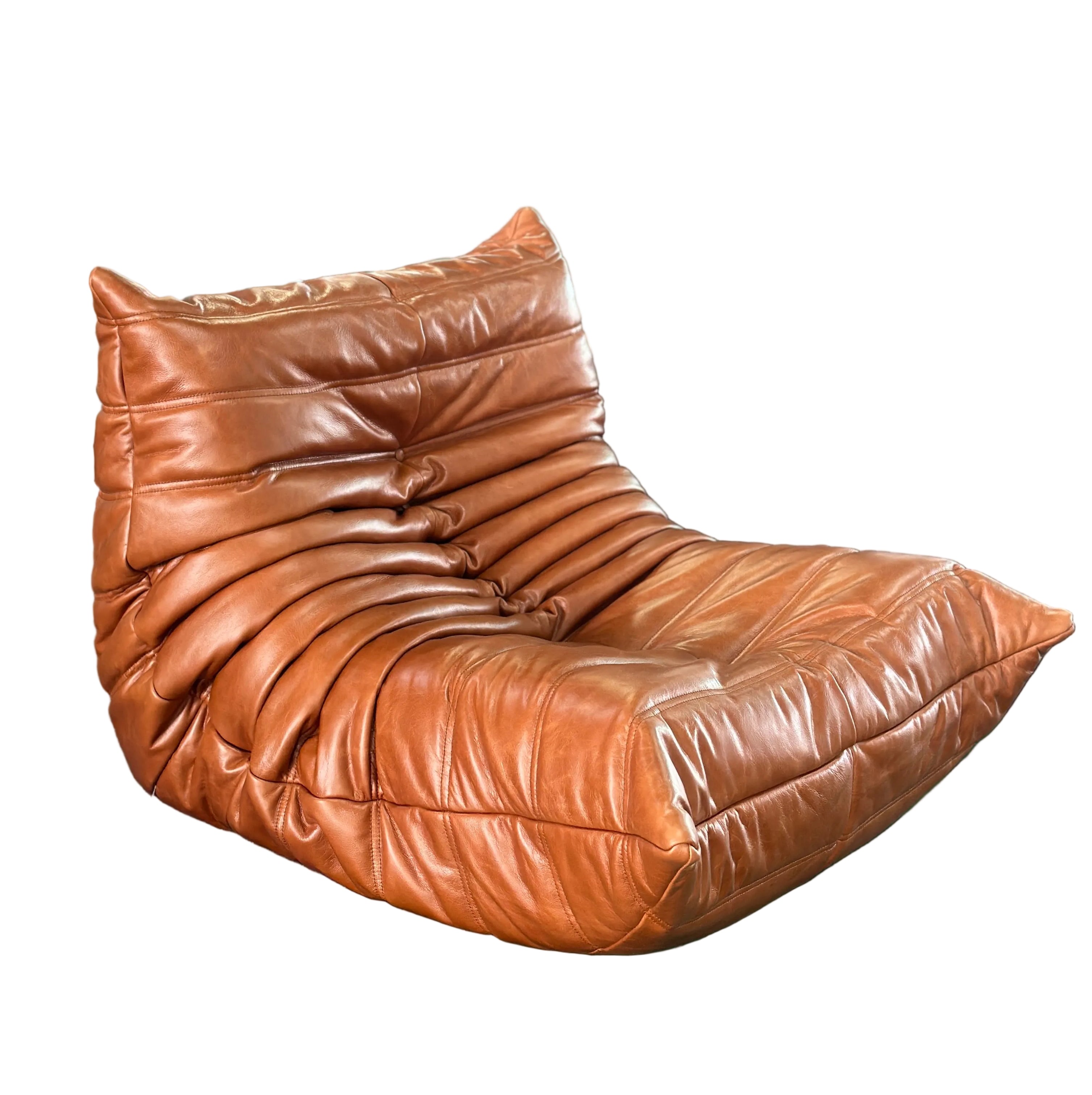
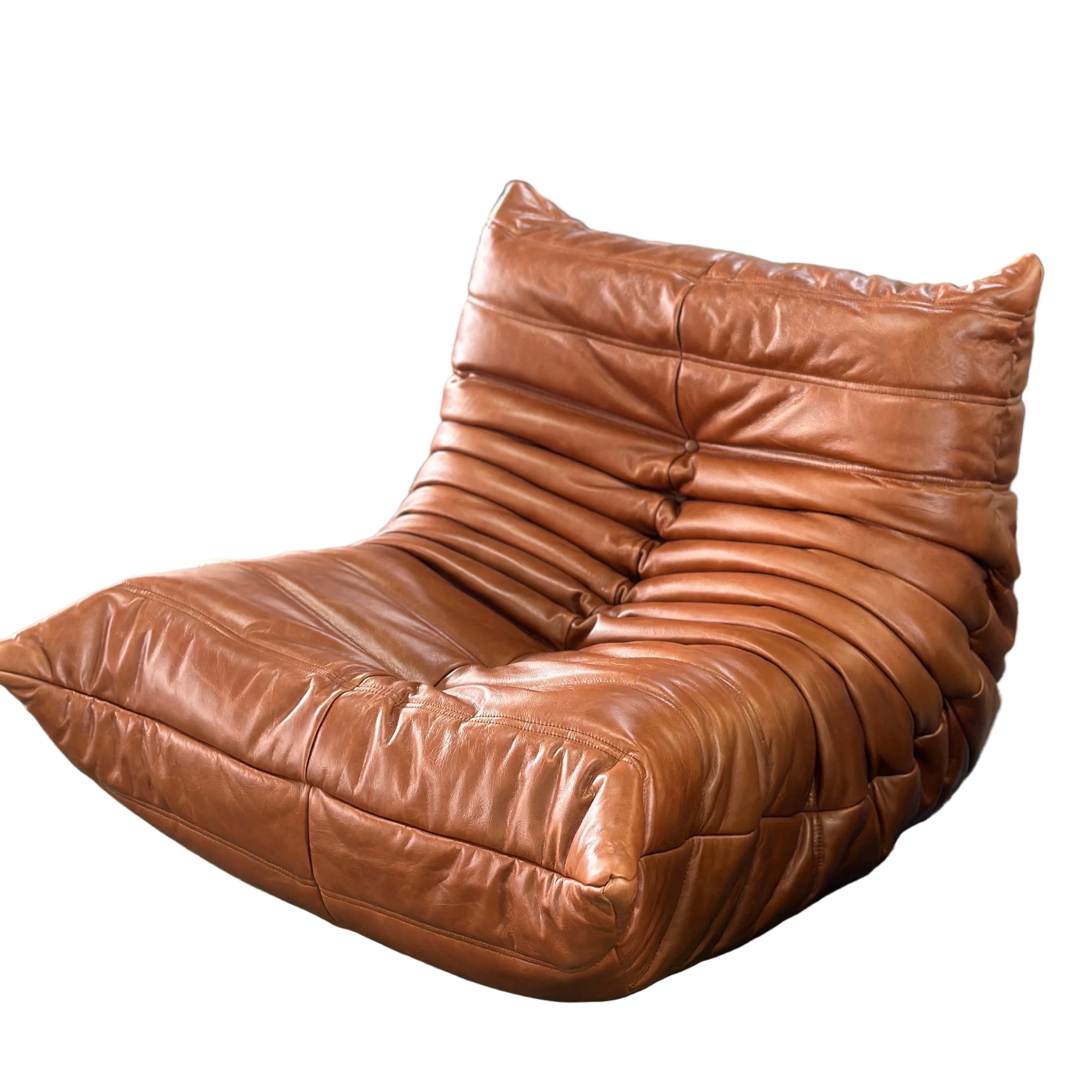
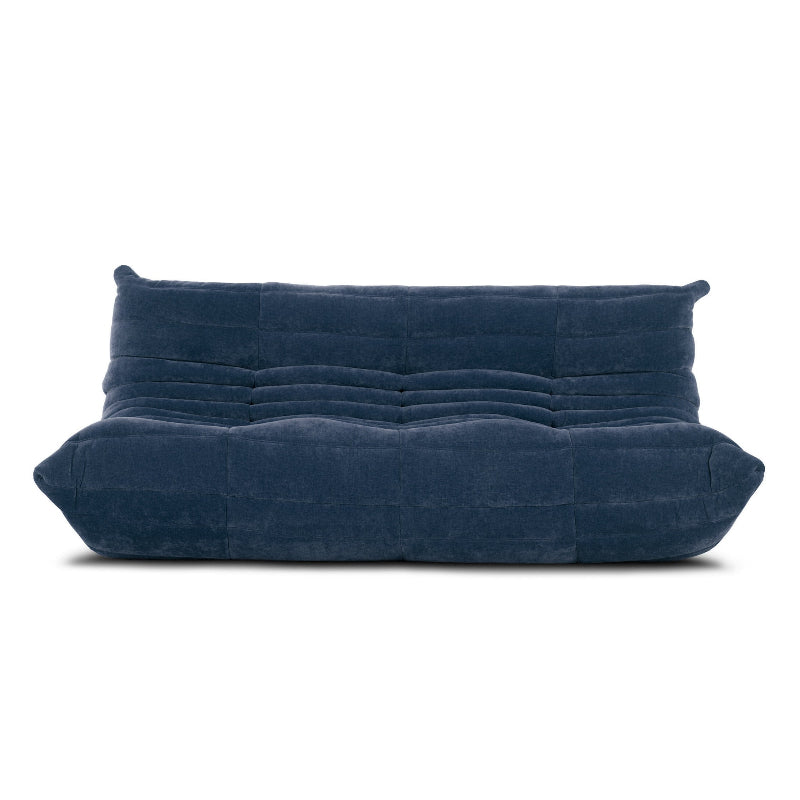
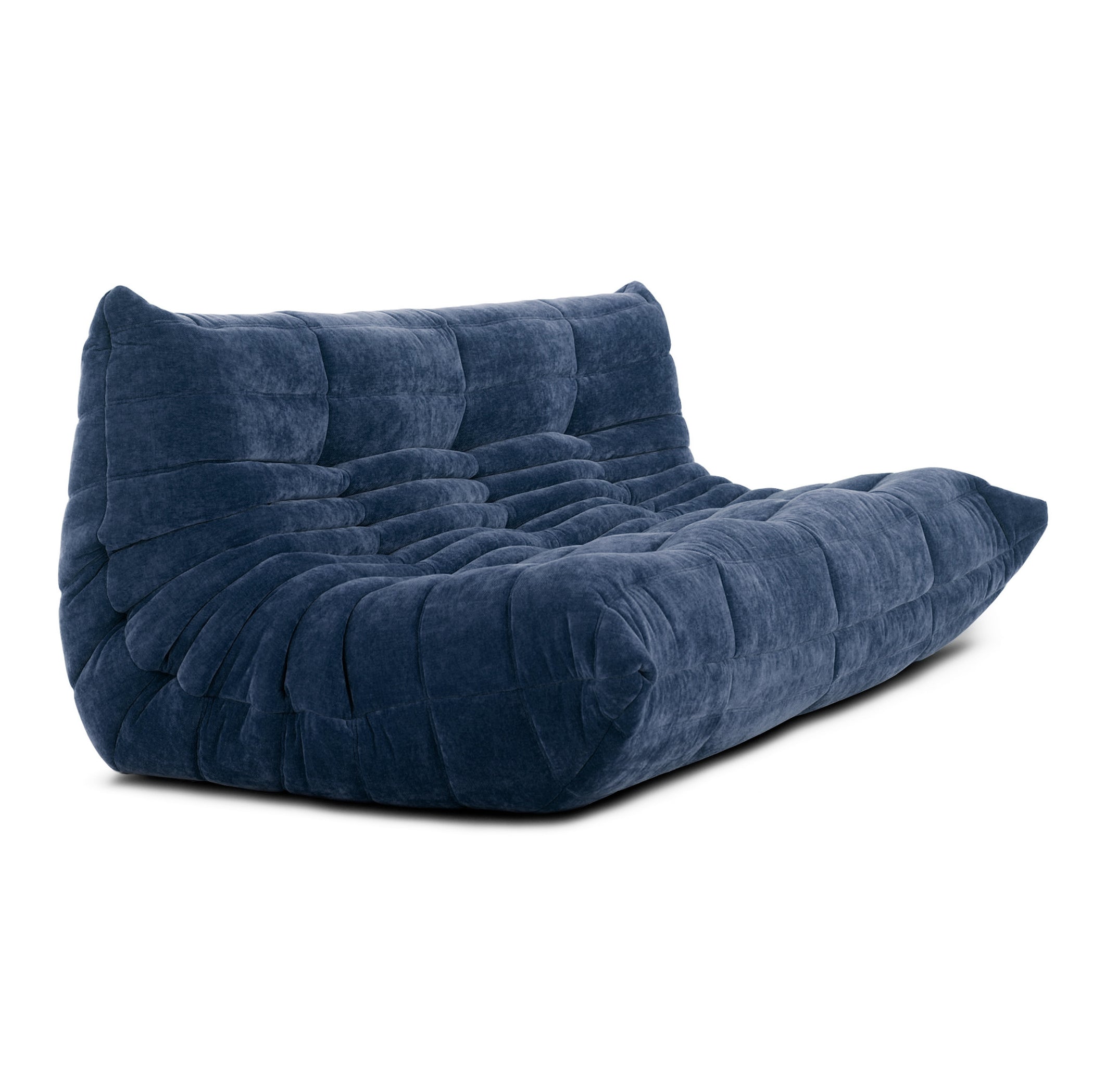
You walk into a living room. The walls are white. The floor is light oak. And there, in the middle of it all, sits a deep blue modular sofa — low, soft, rounded, covered in velvet that seems to shift colour as you move around it. It does not blend in. It does not disappear. It anchors the entire room.
That is the power of a deep blue sofa. Grey sofas fade into the background. Beige sofas try not to offend. But a blue modular sectional sofa makes a statement without shouting. It says: someone with taste lives here.
This guide covers everything you need to know before buying one — from the difference between chenille and velvet upholstery, to how to style a deep blue sofa in minimalist, warm, or moody interiors, to how modular sections connect, to what to check about dimensions, delivery, and warranty. If you want to jump straight to the product, explore the Vintara Design modular sofa collection here. Otherwise, let's start with why deep blue works so well.
2.Why choose a deep blue modular sofa?
A statement colour for contemporary interiors
Deep blue is not a trend colour that will look dated in three years. It sits in the same "safe but bold" zone as charcoal, forest green, and cognac — colours that feel designed, not decorated. A modern modular sofa in deep blue works because the colour has enough weight to anchor a room but enough coolness to feel clean and contemporary.
Unlike black, which can feel heavy and dominating, deep blue has a softness to it. It reads as calm. And unlike bright blue, which can feel juvenile or nautical, a deep navy or indigo reads as grown-up and intentional.
How deep blue adds depth and character
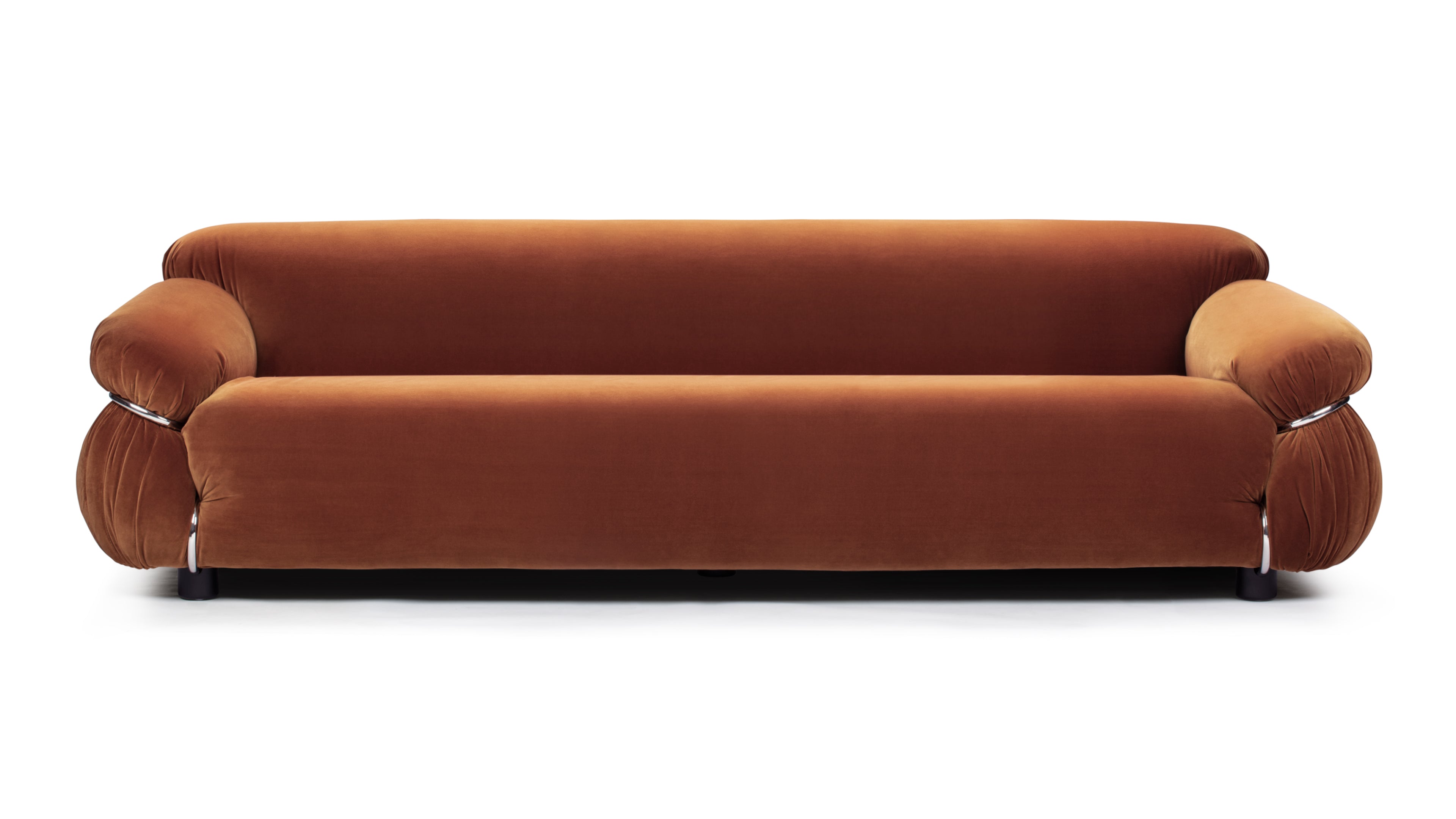
A flat painted wall in blue would be flat and lifeless. But on a textured chenille sofa, the blue comes alive. The raised fibres catch light from different angles, so the colour shifts subtly throughout the day — lighter where light hits directly, deeper in the shadows between modules. This is what interior designers call "a living surface." It is the difference between a sofa that photographs well and a sofa that actually feels rich in person.
Why modular seating suits modern living
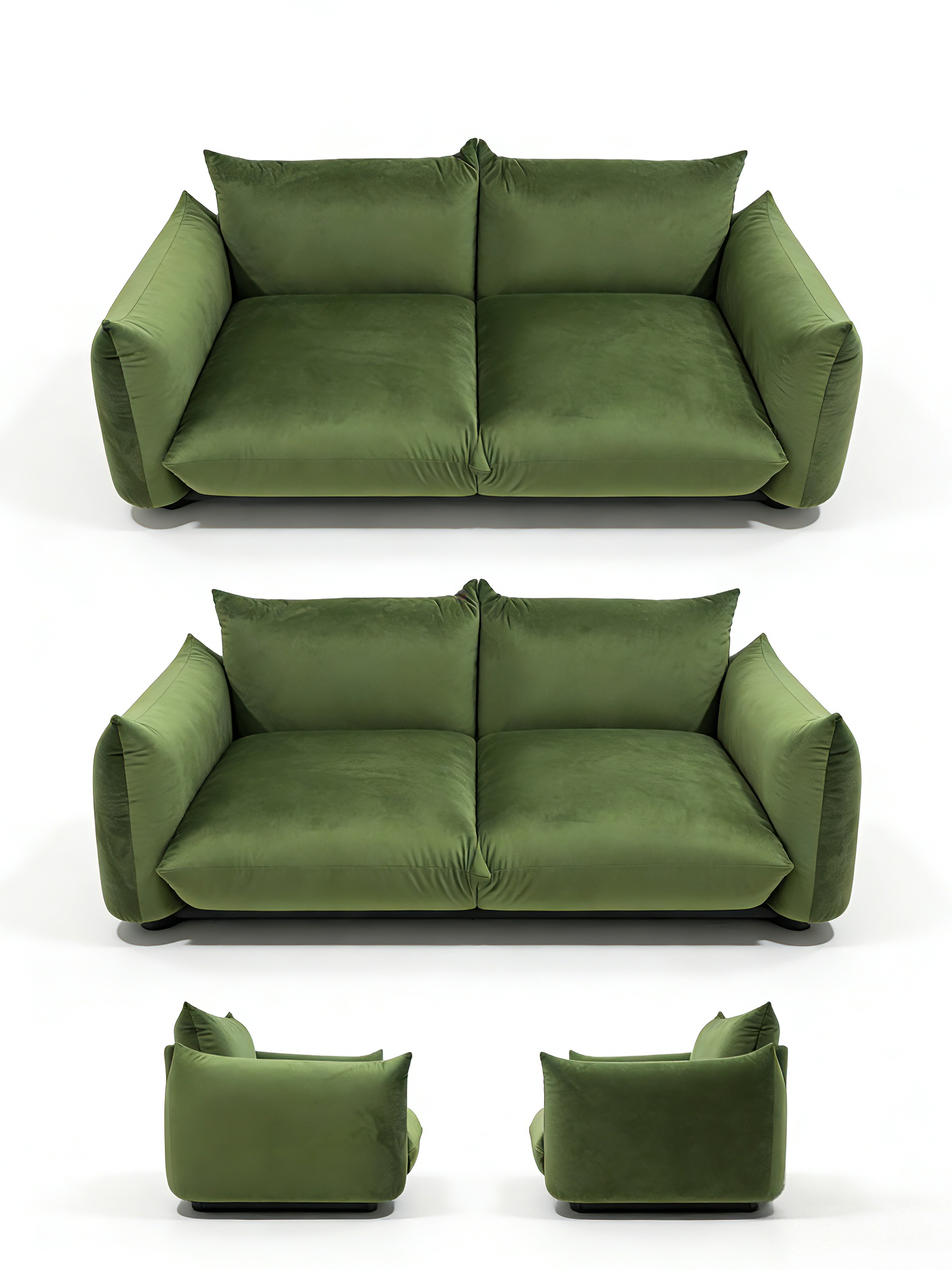
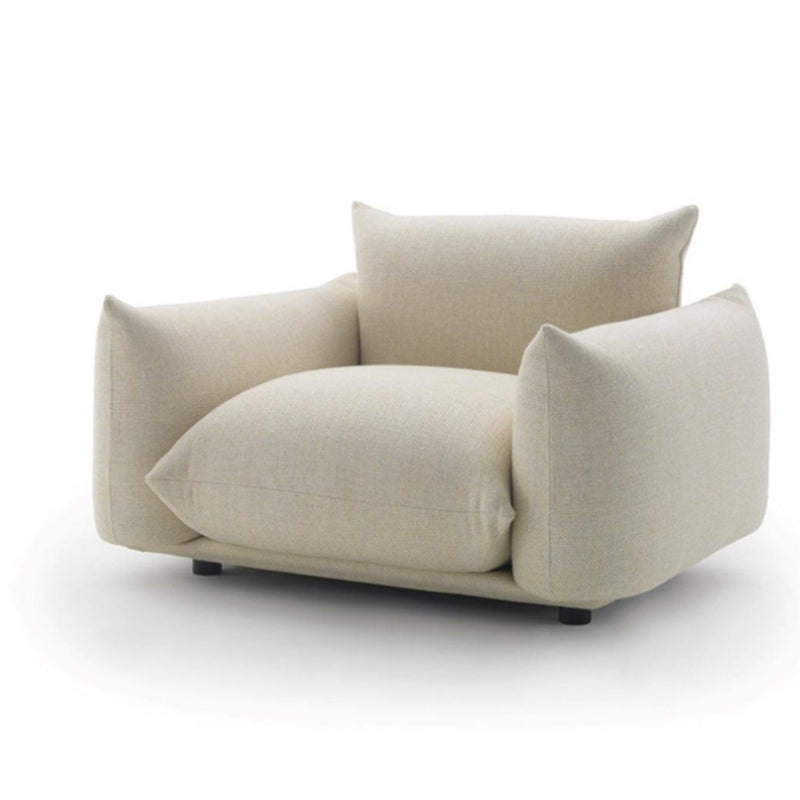
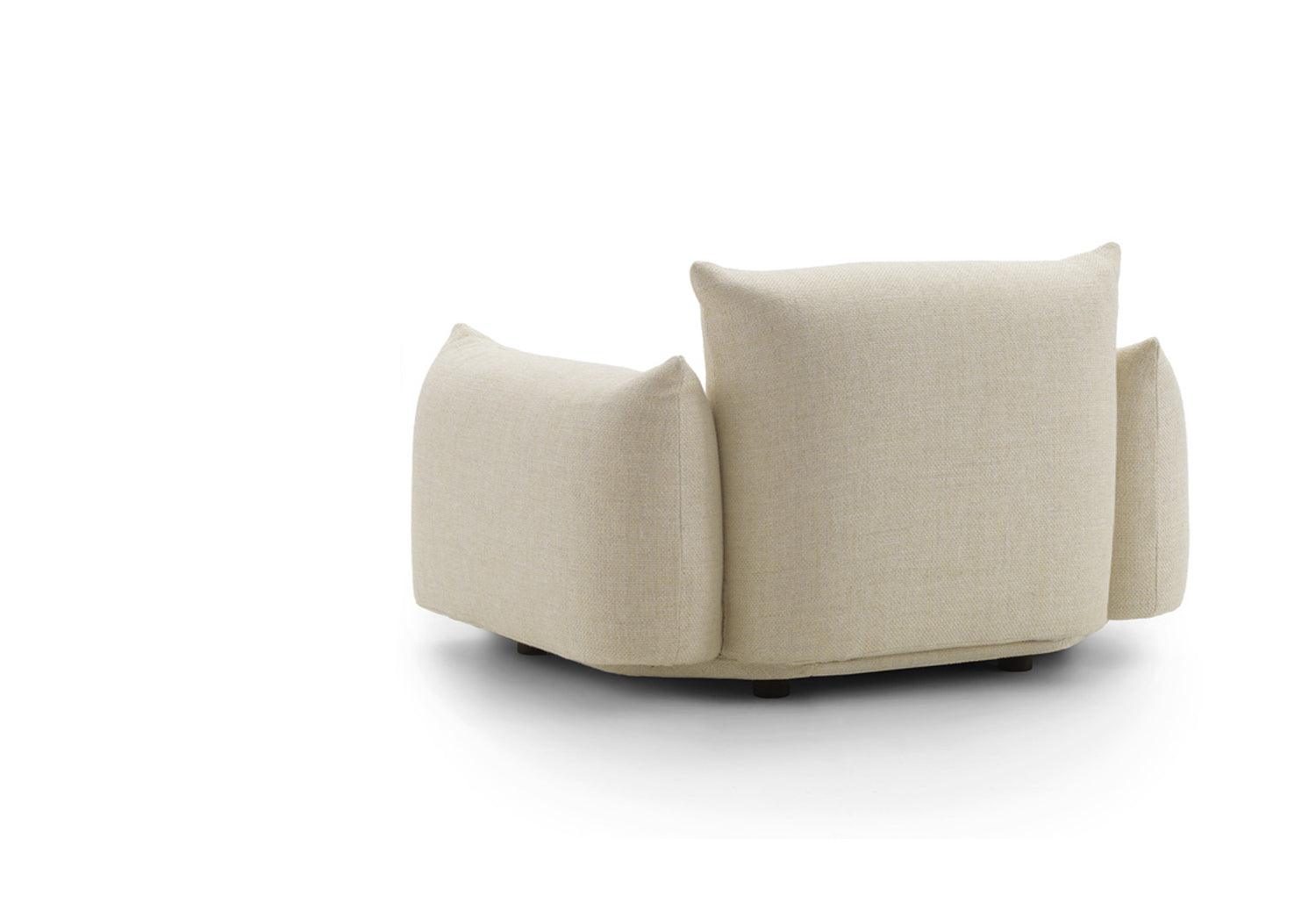
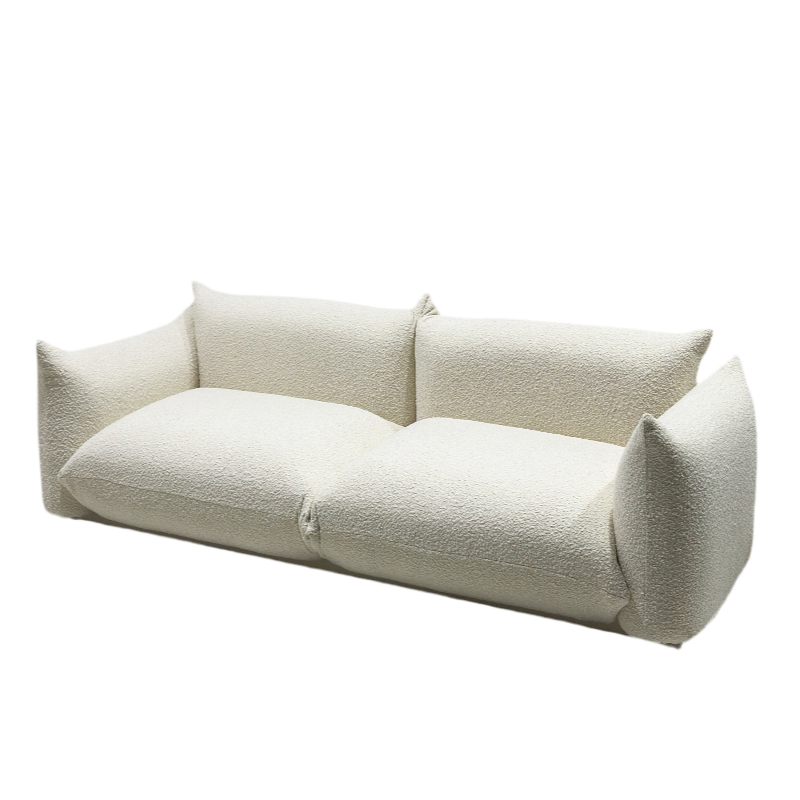
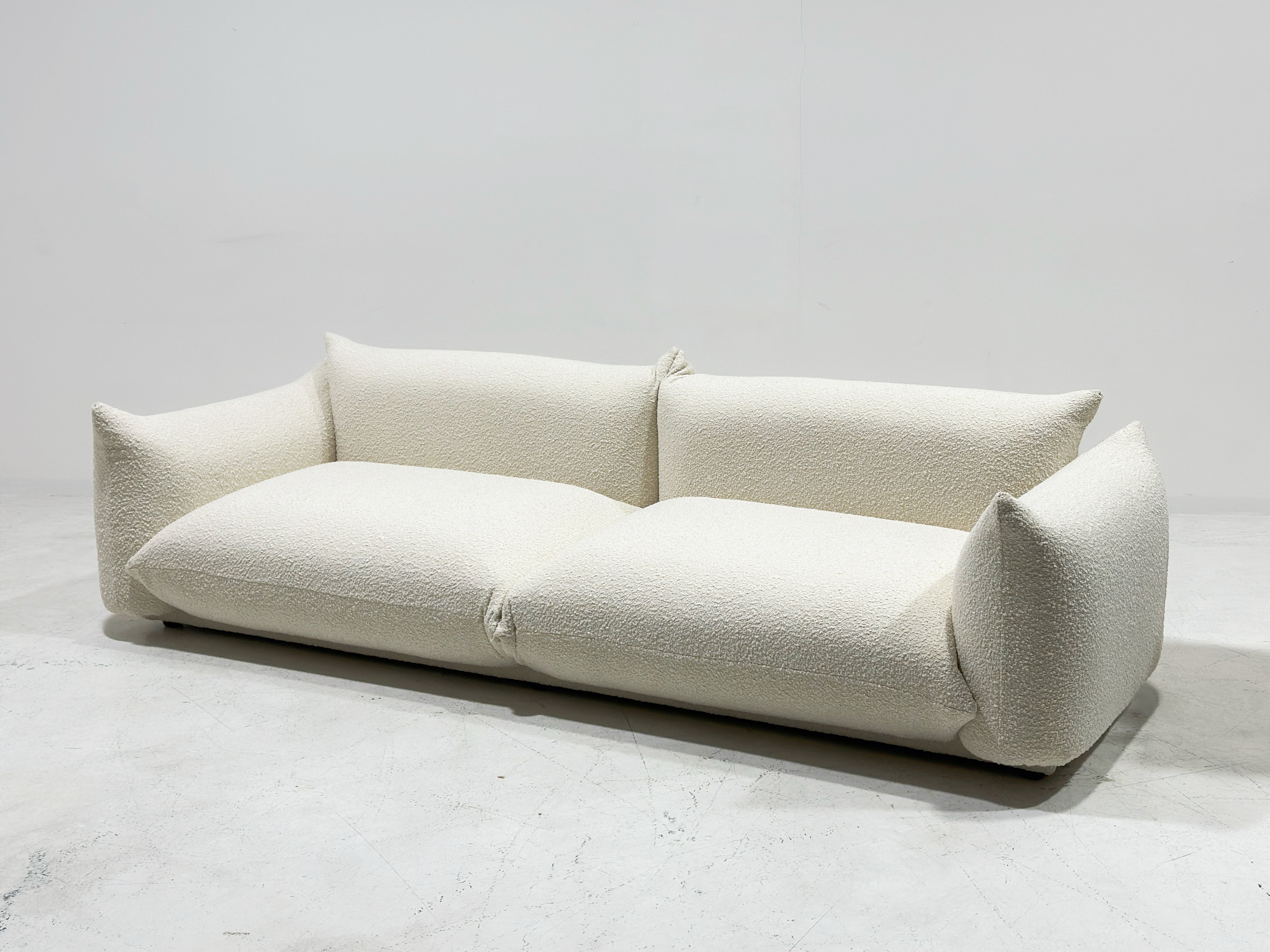
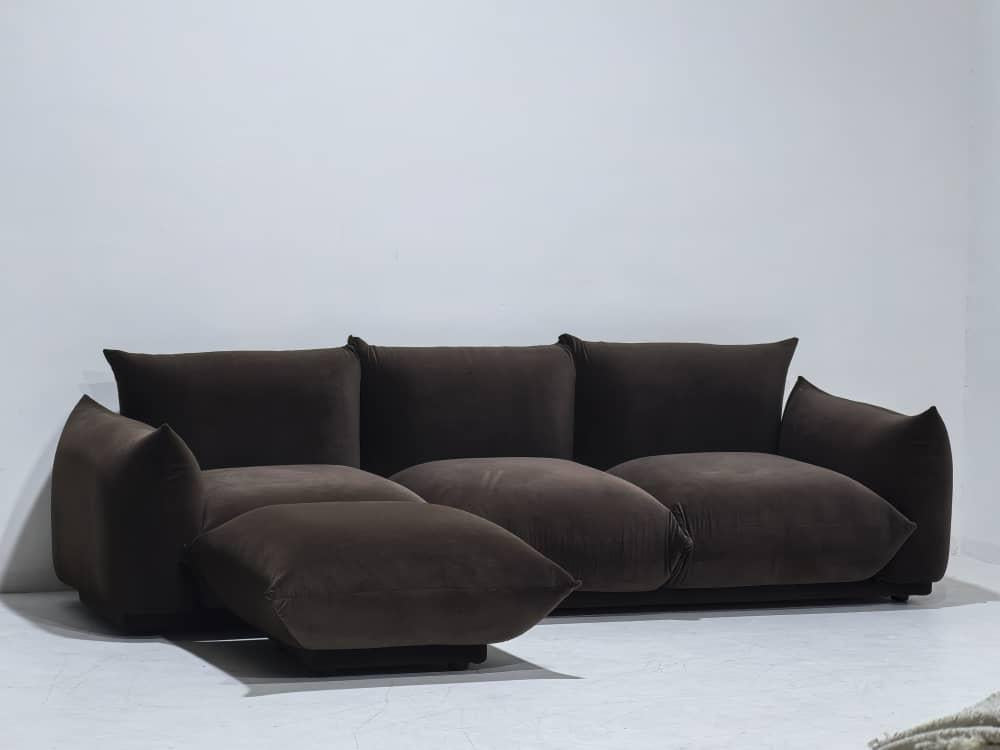
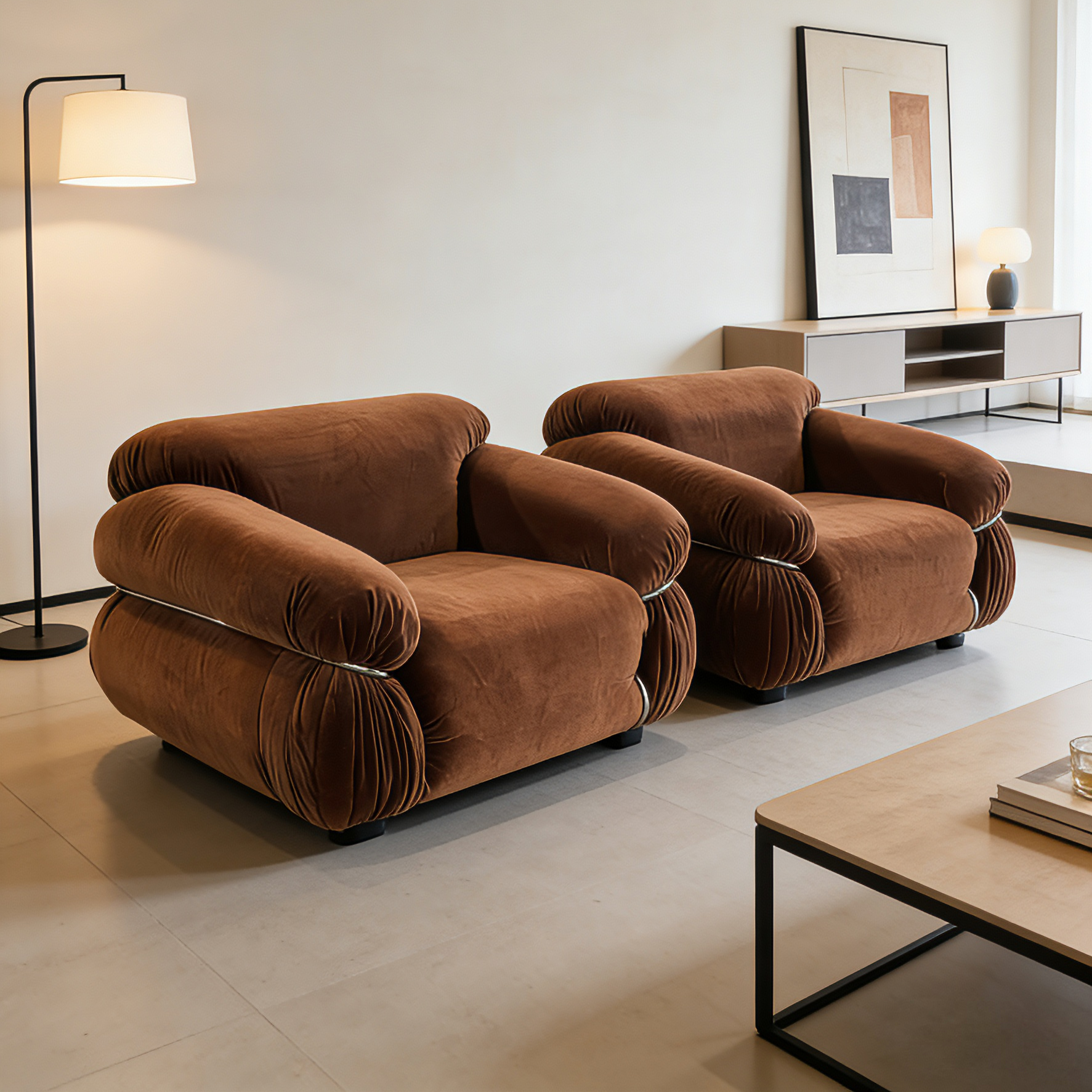
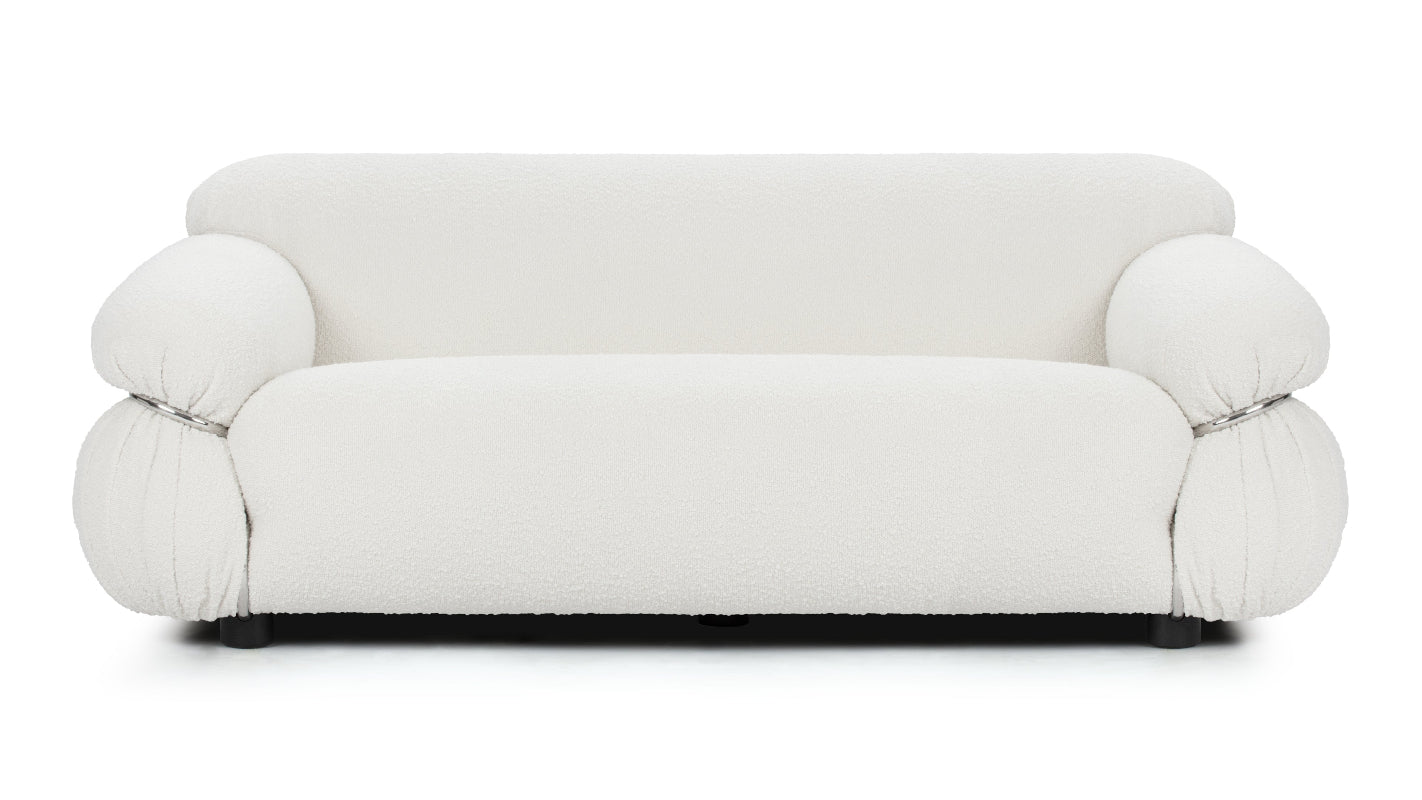
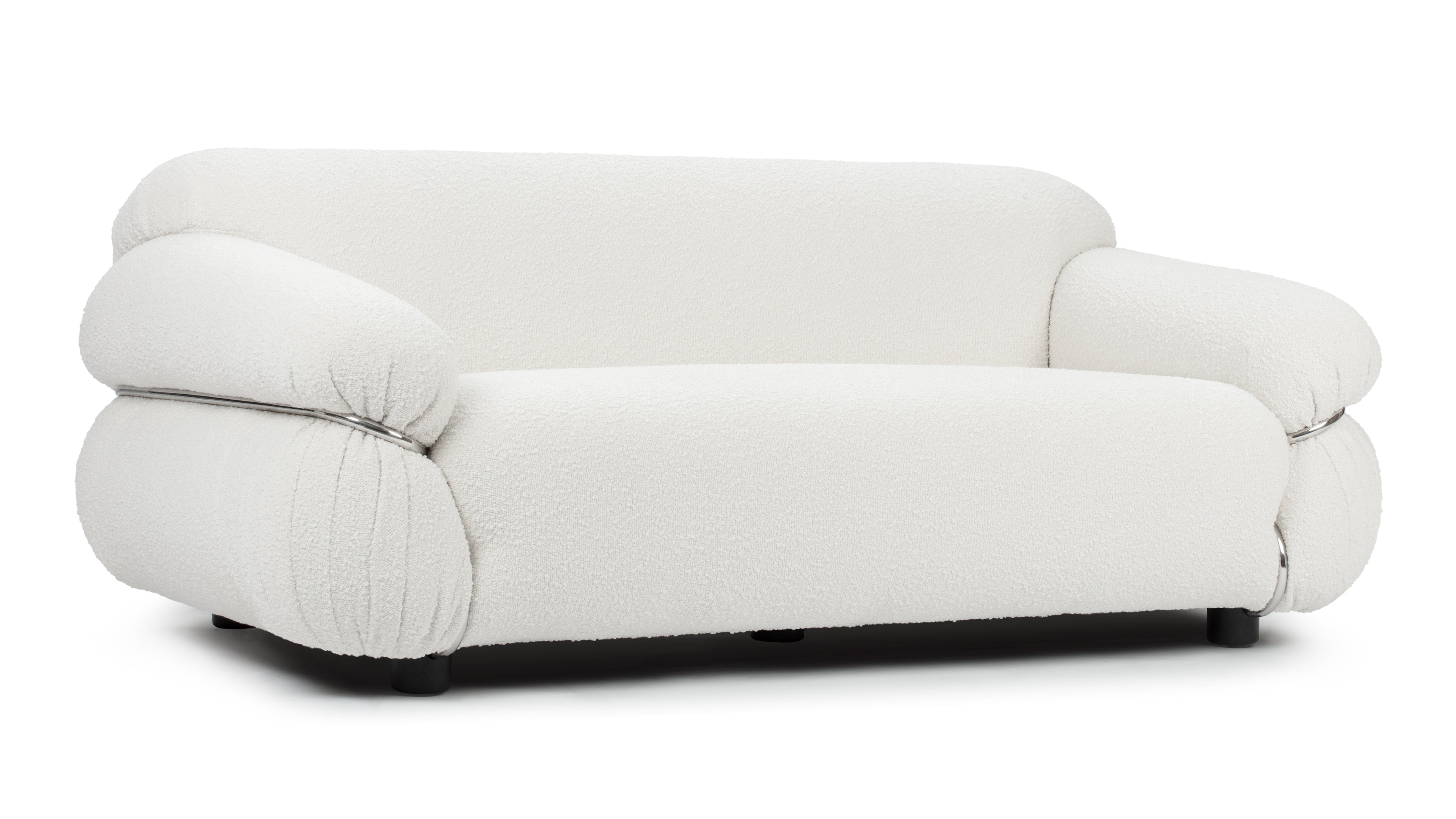
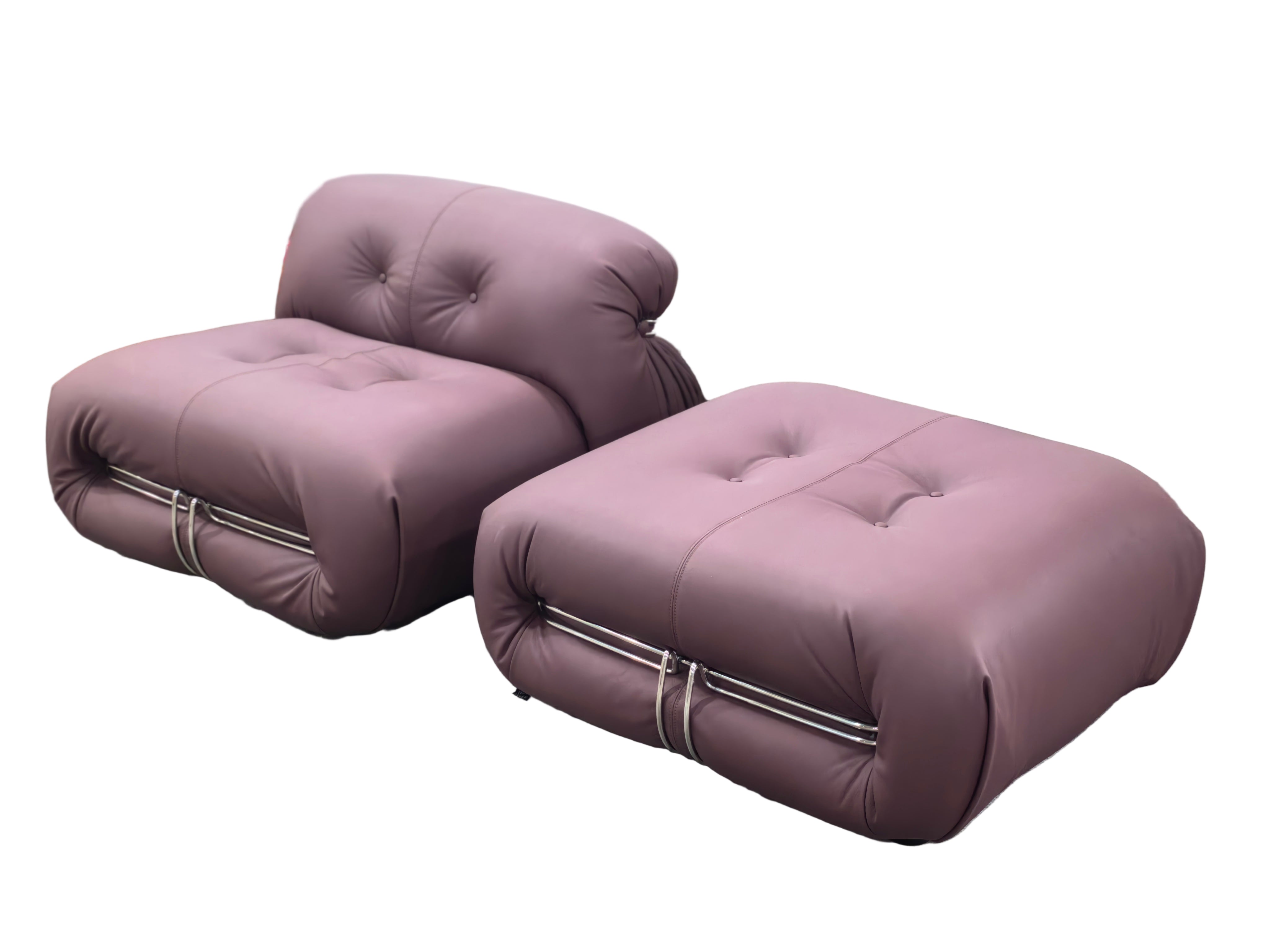
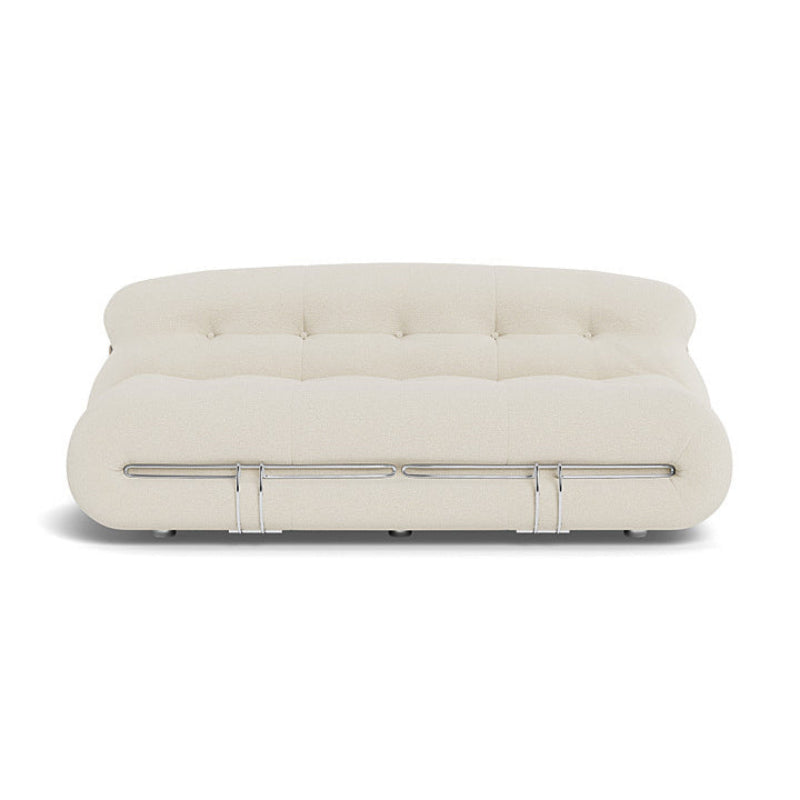
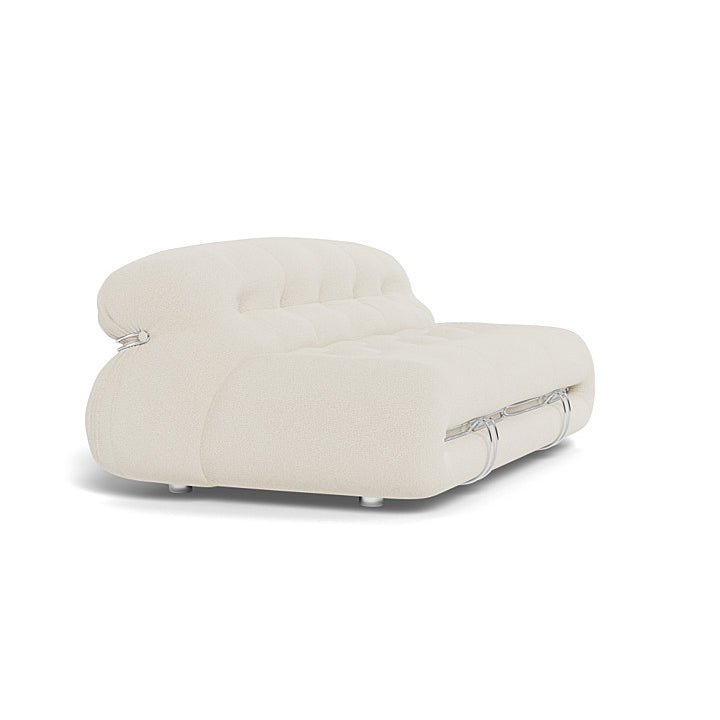
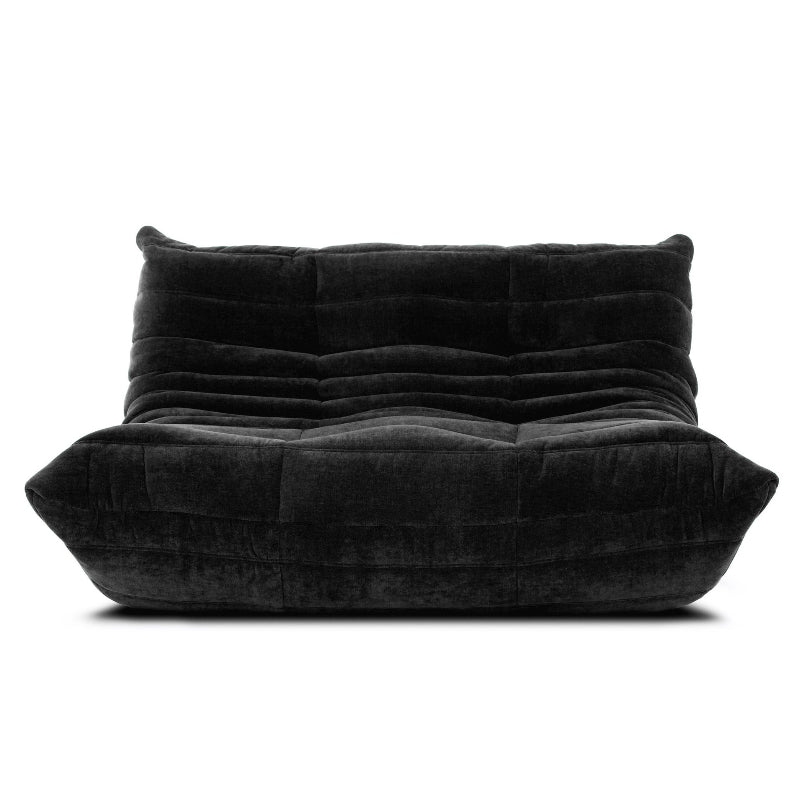
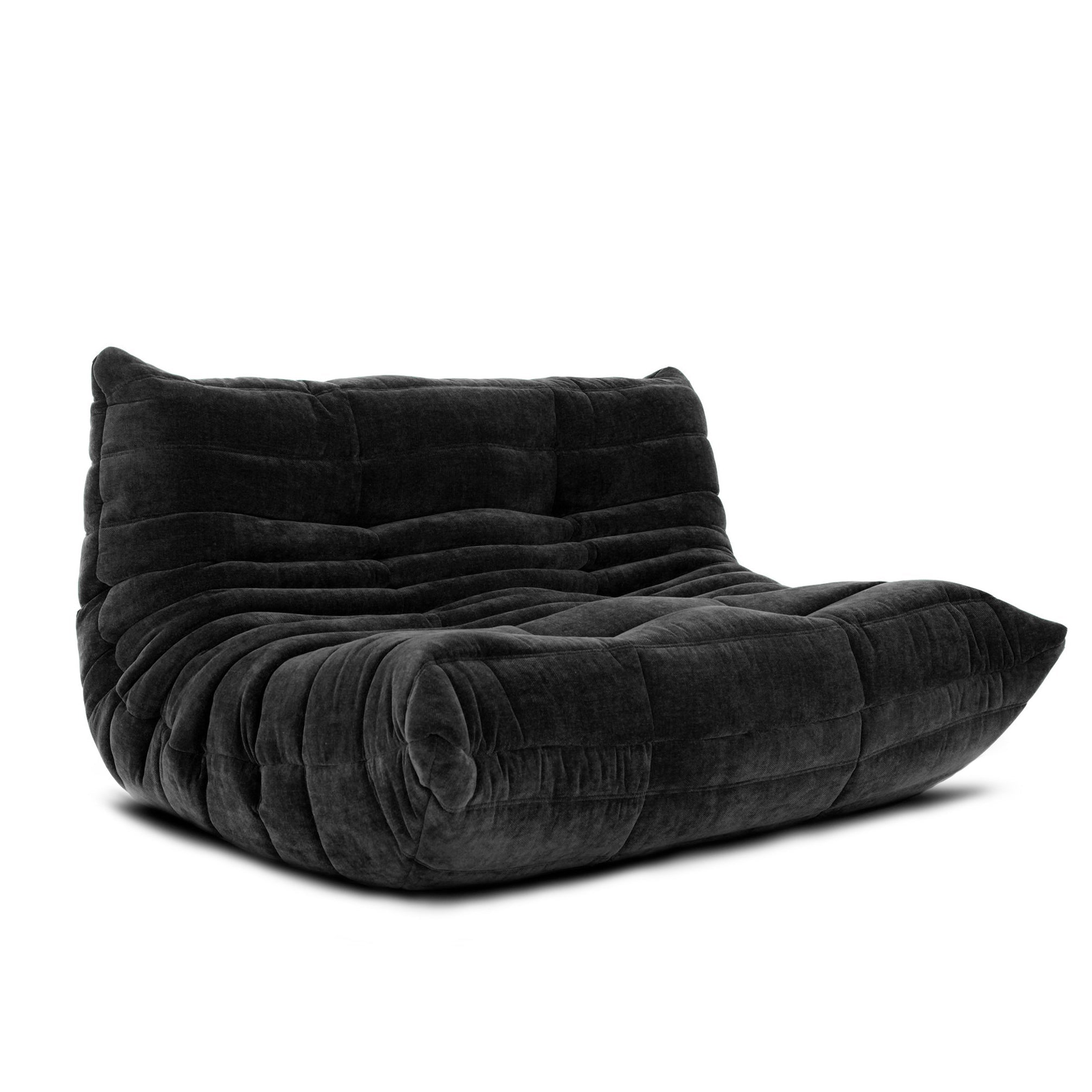
A modular sectional sofa is not one fixed piece. It is a set of independent cushion modules that you can arrange, rearrange, split apart, or push together. This matters because modern homes are not static — you move, you host guests, you work from home, you have kids who need floor space. A modular sofa adapts. The same set of 4 pieces can be a 3-seater with an ottoman today, an L-shape sectional tomorrow, and four separate floor cushions for a party next weekend.
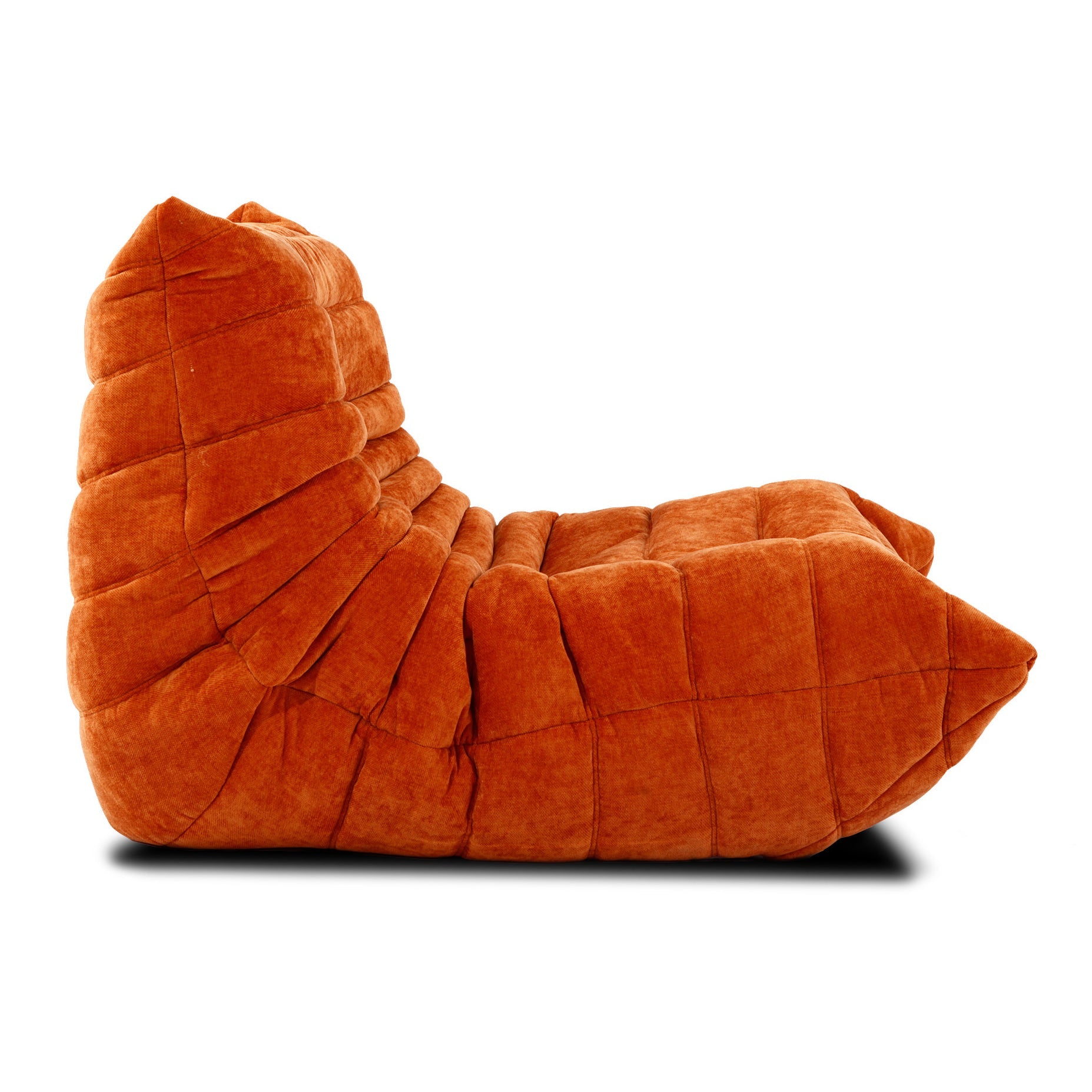
Quick tip: The low-slung profile of an organic modular sofa — meaning it sits close to the floor with no visible legs — also makes ceilings feel higher. Less visual mass below eye level means more breathing room above it.
Understanding textured chenille velvet upholstery
How texture changes the appearance of blue
If you took the exact same blue dye and applied it to three different fabrics — a flat cotton, a smooth velvet, and a textured chenille — you would get three completely different-looking sofas. Flat cotton would look flat and dull. Smooth velvet would look glossy and uniform. Chenille velvet would look deep, complex, and almost three-dimensional.
That is because chenille is woven from thick, fuzzy yarns that create a raised, irregular surface. When light hits this surface, some fibres reflect it brightly while others sit in shadow. The result is a blue that looks lighter in some areas and darker in others — a quality you simply cannot get from a flat fabric.
Chenille and velvet: what is the difference?
These two words are often used together, but they describe different things:
| Property | Chenille | Velvet |
|---|---|---|
| How it is made | Thick fuzzy yarns woven into a raised surface | Dense pile of short fibres standing upright |
| Surface feel | Soft, slightly textured, matte | Smooth, silky, glossy sheen |
| Light behaviour | Scatters light — uneven, organic look | Reflects light — smooth, uniform sheen |
| Best for | Adding depth and visual texture | Adding richness and colour saturation |
 When combined as crushed chenille velvet, you get both: the texture and depth of chenille plus the softness and colour richness of velvet. This is why it is the go-to fabric for organic, sculptural sofas where the shape of the cushion needs to read as soft and inviting.
What to check before choosing an upholstery fabric
- Fabric weight: Heavier fabrics (400+ g/m²) hold their shape better and resist wear longer. Ask the seller for the weight spec.
- Rub test rating: The Martindale or Wyzenbeek rub test measures abrasion resistance. 15,000+ cycles is fine for light use; 30,000+ is better for daily family use.
- Colour fastness: Ask whether the dye is rated for UV resistance. This tells you how quickly the blue will fade in sunlight.
- Request a swatch: Never buy a sofa based on screen colours alone. Always request a physical fabric swatch before ordering.
How to style a deep blue sofa in different interiors
A deep blue modular sofa is surprisingly versatile. Here are four proven styling approaches, each suited to a different mood and room type.
1. Deep blue and warm white for a minimalist living room
This is the most foolproof combination. White or warm cream walls, pale oak flooring, and the deep blue sofa as the single chromatic anchor. Add a travertine stone coffee table, a brass floor lamp, and one large piece of black-and-white art. The room feels clean, gallery-like, and expensive — without needing much furniture.
The key: keep everything else quiet. Let the blue sofa be the only colour in the room. No colourful rugs, no busy cushions. Less is more here.
2. Deep blue, terracotta and cognac for a warm modern look
Blue and orange sit opposite each other on the colour wheel, which means they create maximum contrast and visual energy when paired. But instead of bright orange, use terracotta, clay, or cognac leather — these warmer, earthier tones complement the blue without competing with it.
Try: deep blue sofa + two terracotta velvet cushions + a cognac leather accent chair + warm walnut side table. This creates a layered, mid-century-inspired room that feels both warm and sophisticated.
3. Deep blue with natural wood and stone
If you prefer an organic, grounded look, pair the blue sofa with natural materials. Light oak or white ash for a Scandinavian feel; dark walnut or blackened timber for something richer. Add a stone or concrete coffee table, a wool or jute rug, and greenery. The blue velvet softens the hard edges of wood and stone, creating a room that feels both structured and comfortable.
4. Deep blue in a moody contemporary interior
For a dramatic, intimate space, go dark all over. Charcoal or slate walls, dark wood floors, black metal accents, and the deep blue sofa as the single point of colour. This is a look favoured by boutique hotels and high-end restaurants. It works best in rooms with good natural light during the day and warm layered lighting at night.
Styling summary table:
| Look | Wall colour | Key accessories | Mood |
|---|---|---|---|
| Minimalist | Warm white / cream | Stone coffee table, brass lamp | Clean, gallery-like |
| Warm modern | Soft white or clay | Terracotta cushions, cognac chair | Layered, mid-century |
| Organic | White or natural plaster | Wood, stone, jute rug, plants | Grounded, natural |
| Moody | Charcoal / slate grey | Black metal, dark wood, low lighting | Dramatic, intimate |
How to configure a modular sectional sofa
One of the biggest advantages of a blue modular sectional sofa is layout flexibility. Here are the most common configurations and when to use them:
L-shaped layouts for everyday living
The L-shape is the most popular modular layout. Three or four modules form a straight run along one wall, with one module turned 90 degrees at the end to create an L. This is ideal for corner placement and works in most living rooms. It maximises seating without blocking walkways.
Adding a chaise or ottoman for relaxed seating
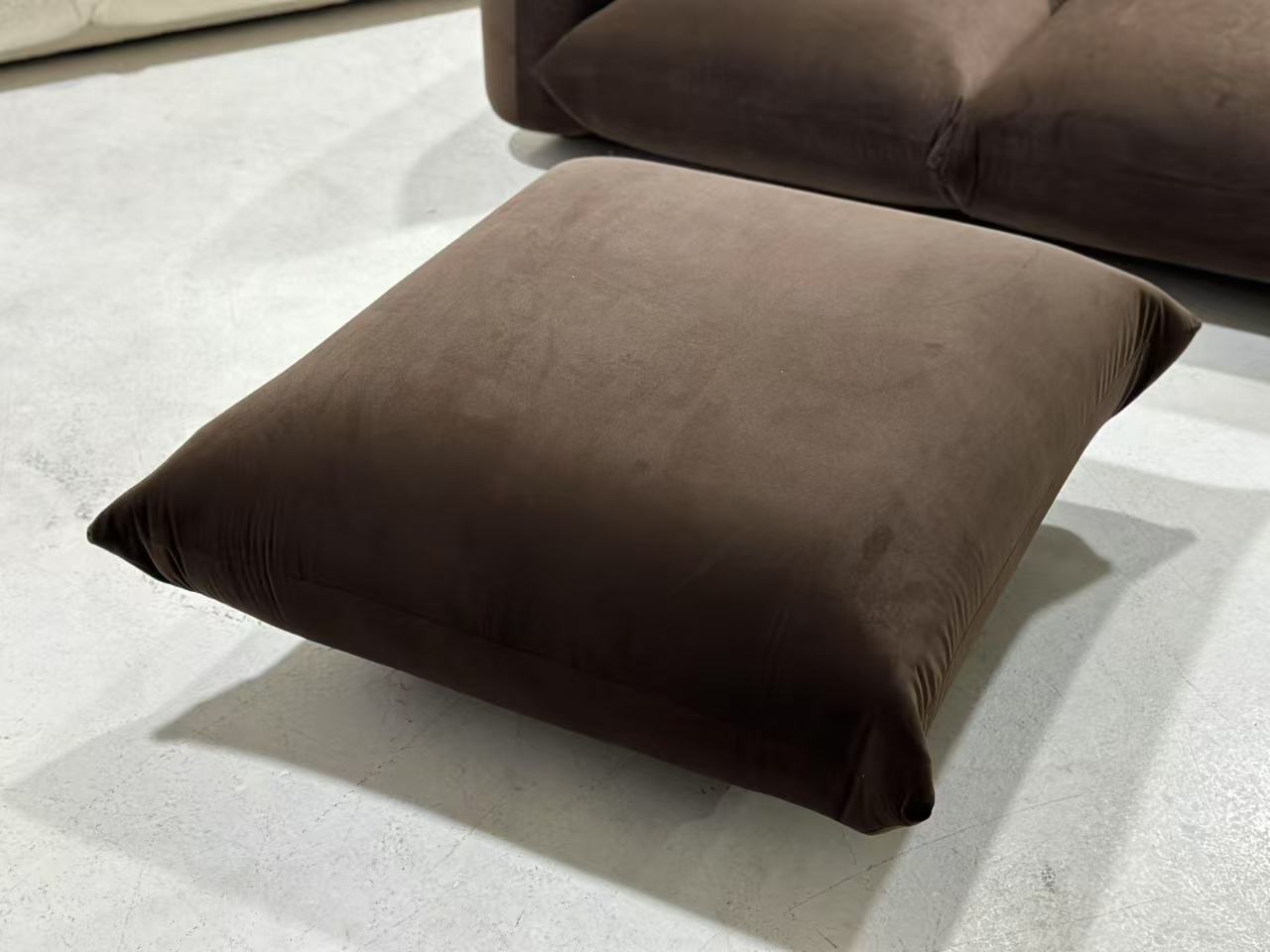
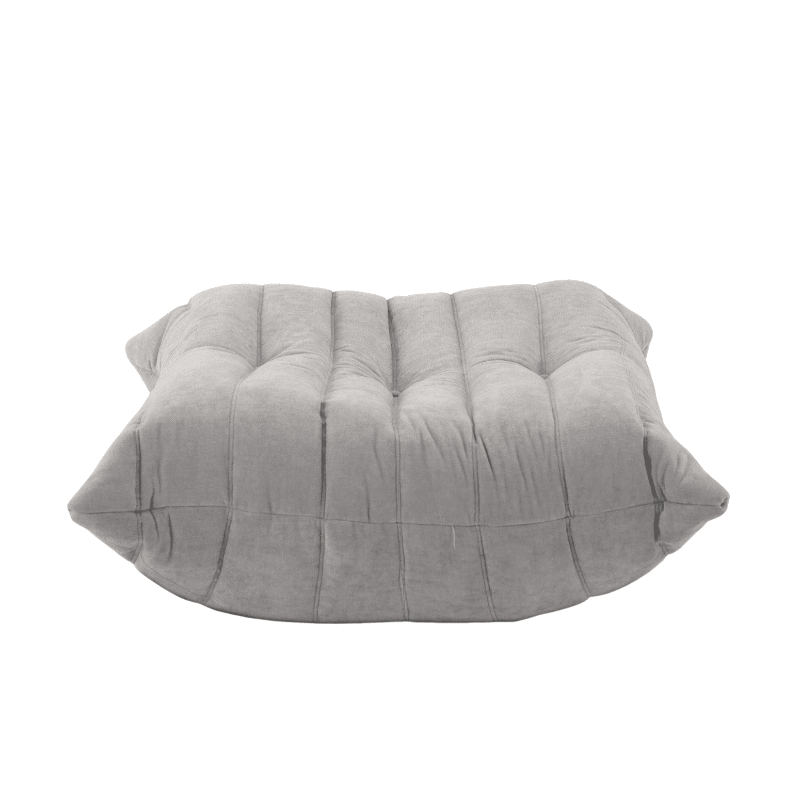
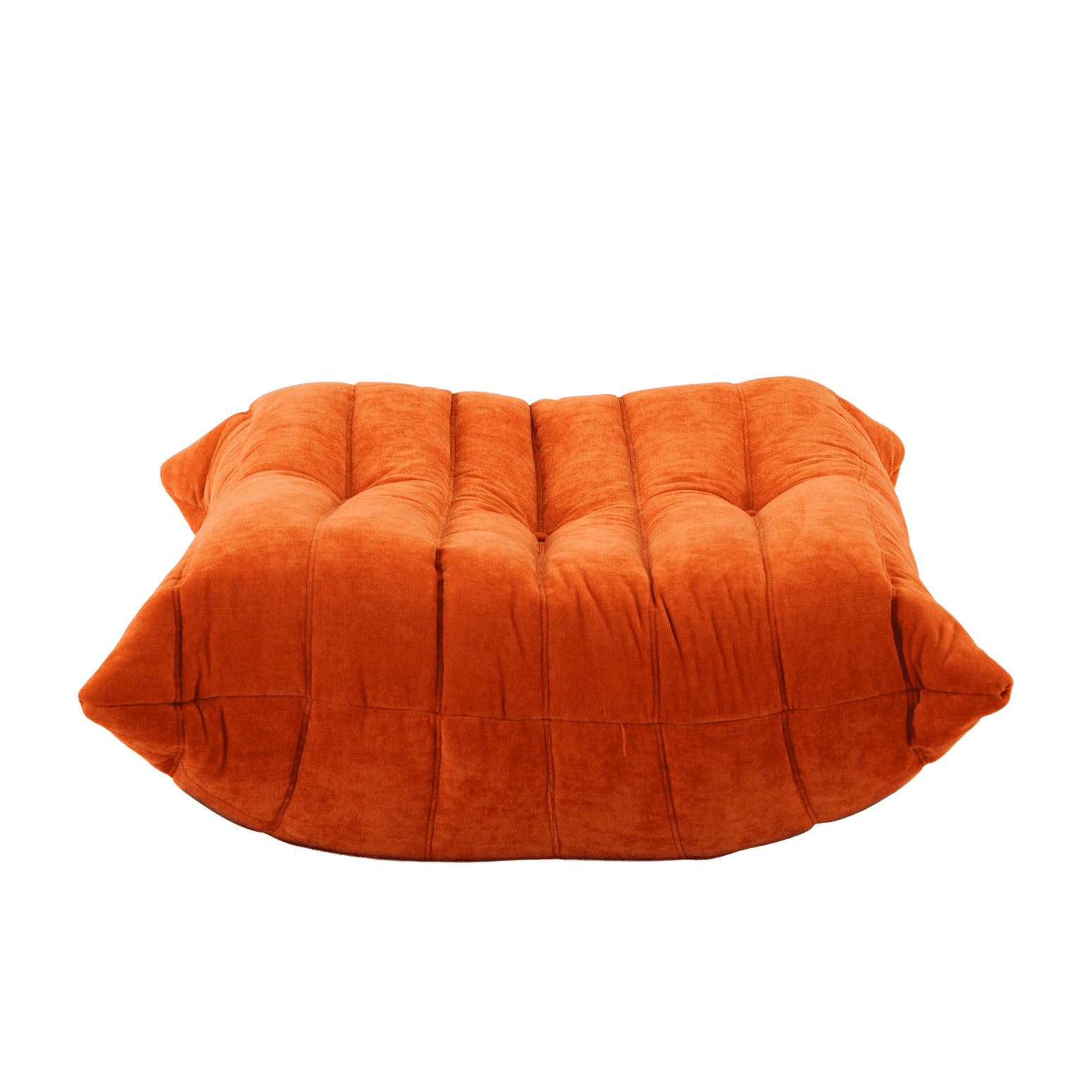
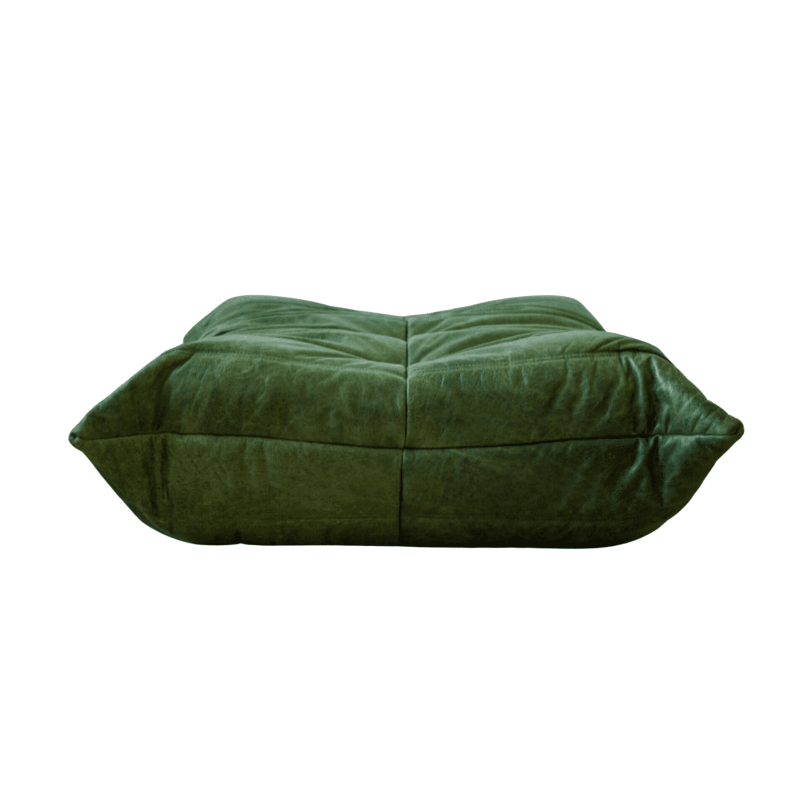
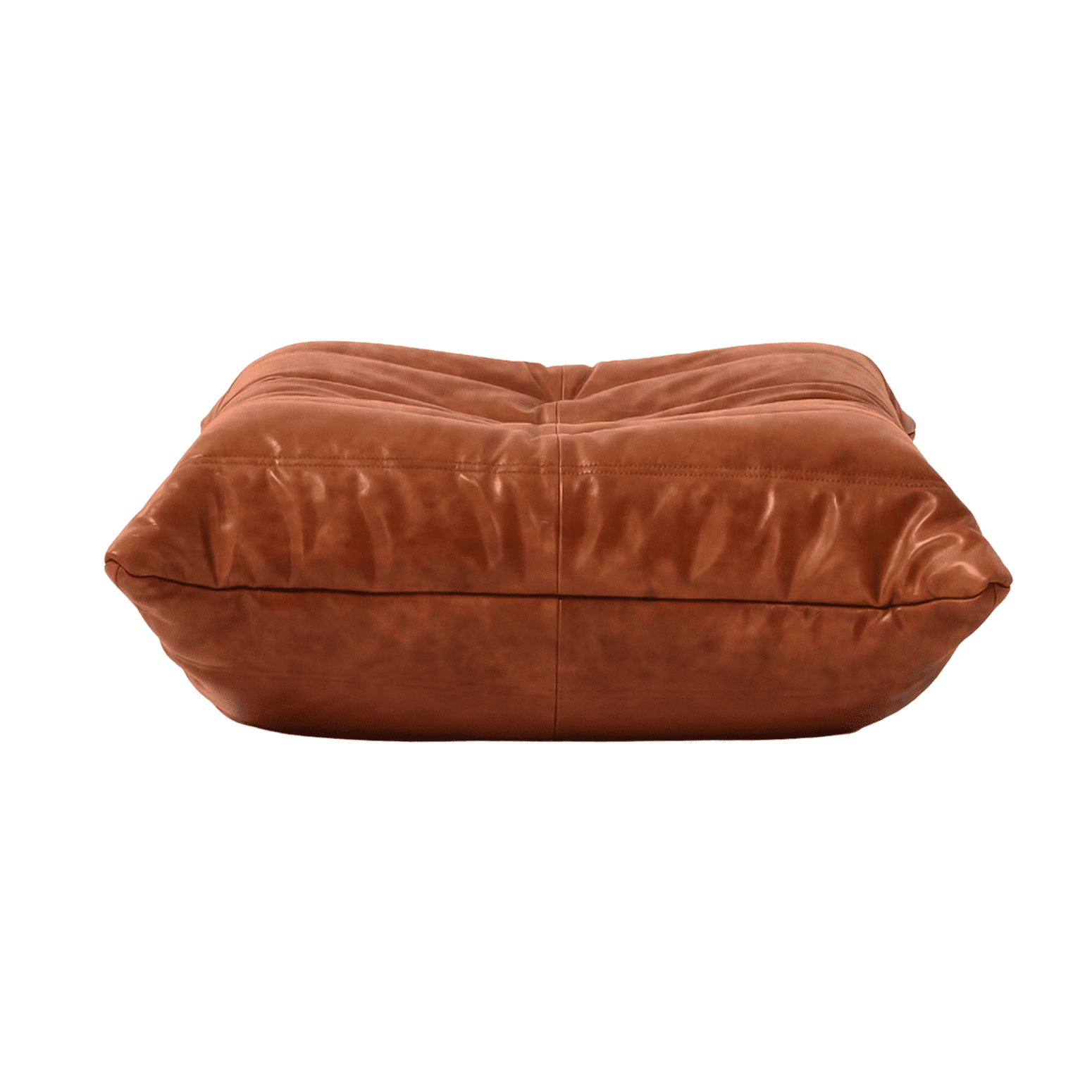
Instead of turning the end module up, lay it flat in front of the sofa as a chaise or ottoman. This creates a long, lounging surface — perfect for stretching out with a book or a laptop. It also opens up the centre of the room, making the space feel larger.
Planning your layout around room dimensions
Before ordering, measure your room and map out the modules on the floor using painter's tape. Check that you have at least 60 cm of walkway around the sofa on all sides. If your room is small, consider starting with 2 or 3 modules — you can always add more later since each piece is independent.
What to know about module connections
The Vintara Design modular sofa uses hidden hook-and-loop fasteners under each module. When you push two pieces together, the fasteners lock them in place. Normal sitting and leaning will not pull them apart. To rearrange, simply lift one module and place it elsewhere — no tools needed.
Over weeks of daily use, modules may shift 1-2 cm. This is normal for any modular sofa. Just lift and re-seat the module to re-engage the fasteners. Placing the sofa on a flat rug reduces drift significantly.
Is a deep blue modular sofa right for your home?
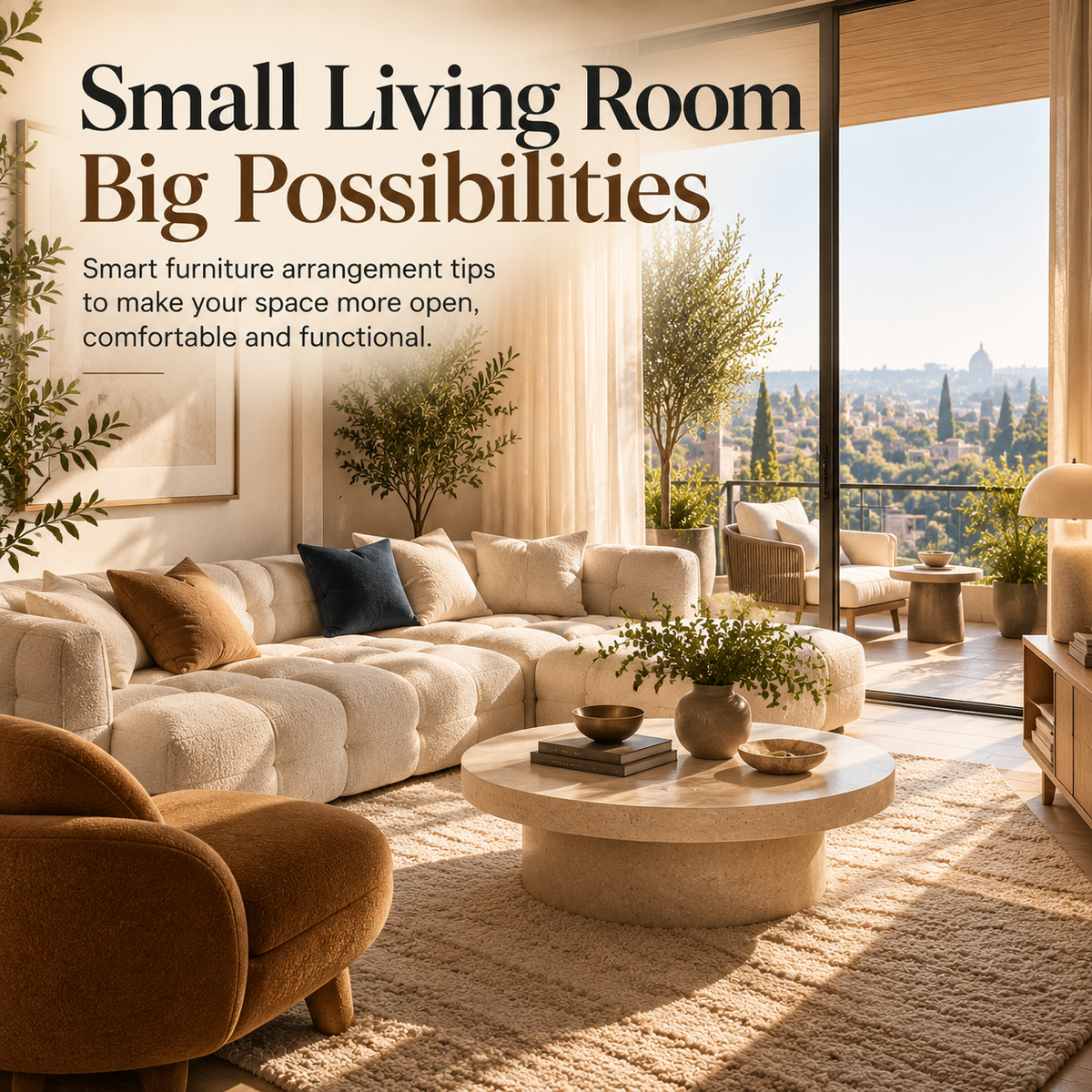
Choosing the right sofa for a small or large living room
In a small room (under 15 m²), use 2 or 3 modules in a straight line with no ottoman. The low profile keeps the room feeling open. In a medium room (15-25 m²), a 3-module L-shape with an ottoman is ideal. In a large open-plan space (25 m²+), you can use the full 4-piece set as a conversation island or U-shape.
Considerations for families with children or pets
Deep blue is a practical choice for families. It hides dust, crumbs, and minor scuffs better than light colours. Chenille velvet has a dense, raised surface that is harder for cat claws to snag than flat-weave fabrics — though no fabric is fully claw-proof. If you have pets, place a scratching post near the sofa and consider a washable throw blanket on the most-used module.
For spills: chenille velvet does not absorb liquid instantly. You get about 5-10 seconds to blot (never rub) with a dry cloth before the liquid starts to soak in. This is enough time to grab a towel and remove most of a spill.
Seat depth, back support and everyday comfort
The Vintara Design modular sofa has a seat depth of approximately 95 cm and a seat height of approximately 42 cm. The generous depth suits relaxed, lounging postures — sitting cross-legged, leaning back with cushions, or stretching out flat. If you prefer an upright, firm sitting position (like a dining chair), this style of low, deep sofa may feel too casual for you.
The cushions use layered high-resilience foam: a firm base layer for support and a softer top layer for comfort. This means you sink in softly, then feel solid support underneath — not a hard floor, and not a bottomless beanbag.
How to care for textured blue upholstery
Removing dust and everyday debris
Vacuum the sofa once a week using a soft upholstery brush attachment. Pay attention to the crevices between modules where dust collects. This prevents fine particles from settling deep into the velvet pile, which is the most common cause of dulling over time.
How to respond to spills and stains
The golden rule: blot, never rub. If liquid spills, immediately press a clean, dry, absorbent cloth straight down onto the spill. Let the cloth draw the liquid out through capillary action. Do not wipe or scrub — rubbing pushes the liquid deeper into the foam and can permanently flatten the velvet pile, leaving a visible mark.
For dried or stubborn stains, dilute a small amount of mild dish soap in warm water. Dab gently with a microfiber cloth. Test on a hidden area first. Always follow the specific care instructions provided with your fabric.
Protecting upholstery from sunlight and wear
- Avoid direct sun: Prolonged UV exposure will fade any dyed fabric over time. Position the sofa away from south-facing windows, or use sheer curtains to filter light.
- Rotate cushions monthly: Swap seat and back cushions between modules to distribute wear evenly across the set.
- Keep sharp objects away: Keys, belt buckles, and pet claws can snag or puncture the fabric. A throw blanket on high-contact spots helps.
- Maintain moderate humidity: 40-60% indoor humidity keeps fabric fibres supple and prevents the foam from drying out.
What to consider before buying a modular sofa
Here is a practical checklist for anyone shopping for a modular sofa — whether from Vintara Design or any other maker:
Dimensions and delivery access
- Measure your room and map out the modules with tape before ordering.
- Check doorways, hallways, and elevator dimensions. Modular sofas ship as separate pieces, so each module only needs to fit through your door individually — a big advantage over one-piece sectionals.
- Leave at least 60 cm of walkway around the sofa on all sides.
Upholstery options and customisation
- Request a physical fabric swatch before ordering — screen colours are not reliable.
- Ask about fabric weight (look for 400+ g/m² for daily use) and rub test rating.
- Check what customisation is available: colour, module count, cushion firmness, base material.
Construction, connectors and warranty
- Frame: Look for kiln-dried solid hardwood. Avoid particleboard.
- Foam density: High-resilience (HR) foam at 28-35 kg/m³ is the standard for quality. Ask the seller for the spec.
- Connectors: The module locking system should be industrial-grade — not flimsy plastic clips.
- Warranty: A 5-year frame warranty is the industry standard for quality modular furniture.
Comparing price, quality and long-term value
👉Shop the modular sofa from Vintara Design.
The Vintara Design modular sofa is priced at $2,000 for a complete 4-piece set, and full custom sizing. When comparing to other options, look at the total value — not just the sticker price. A cheaper sofa that sags in two years is more expensive than a quality one that lasts fifteen.
| Checklist item | What to look for |
|---|---|
| Fabric weight | 400+ g/m² |
| Rub test | 15,000+ cycles (30,000+ for families) |
| Foam density | HR 28-35 kg/m³ |
| Frame | Kiln-dried hardwood |
| Connector type | Industrial hook-and-loop or metal bracket |
| Warranty | 5 years minimum |
| Lead time | 16-20 business days (Vintara Design) |

Frequently asked questions
What colours go with a deep blue sofa?
Deep blue works with warm white for a clean minimalist look, with terracotta and cognac for warm contrast, with natural oak or walnut for an organic feel, and with charcoal grey for a moody palette. Blue acts as a rich neutral that anchors most colour schemes.
Is a blue modular sofa suitable for a small living room?
Yes. A modular sofa can be split into fewer pieces for compact spaces. The low profile leaves more visible wall space above the sofa, which makes ceilings feel higher and the room feel larger. Start with 2-3 modules for smaller rooms.
What is the difference between chenille and velvet upholstery?
Chenille is woven from thick, fuzzy yarns that create a raised, textured surface with a matte finish. Velvet has a smooth, dense pile with a glossy sheen. Crushed chenille velvet combines both: the chenille adds texture and depth, while the velvet adds softness and colour richness.
How do you arrange a modular sectional sofa?
Common layouts include a straight 3-seater with an ottoman, an L-shape for corner placement, a U-shape island for open spaces, or individual lounge chairs. Modules connect via hidden fasteners under each base, so reconfiguration takes minutes with no tools.
How do you clean textured sofa upholstery?
Vacuum weekly with a soft upholstery brush. For spills, blot immediately with a dry cloth — never rub. For spot cleaning, dilute mild dish soap in warm water, dab gently, and air dry. Rotate cushions monthly for even wear. Always follow the care instructions for your specific fabric.
Can I customise the fabric colour of a modular sofa?
Yes. Vintara Design offers multiple velvet colourways and full made-to-order customisation. You can choose upholstery colour, module count, cushion firmness, and base finish to fit your space and style. Contact us to discuss options.
Disclaimer: This modular sofa is a custom design inspired by modern organic European style. It is not manufactured by or affiliated with any original designer or brand. No trademark or patent infringement is intended. All brand names are the property of their respective owners and are used here for descriptive purposes only.